When a severe storm drops heavy hail or a sudden high wind tears a section of shingles off your home in Grand Junction or Montrose, you know you have a problem. The immediate reaction is to look up at the sky, look at the damage, and call for help.
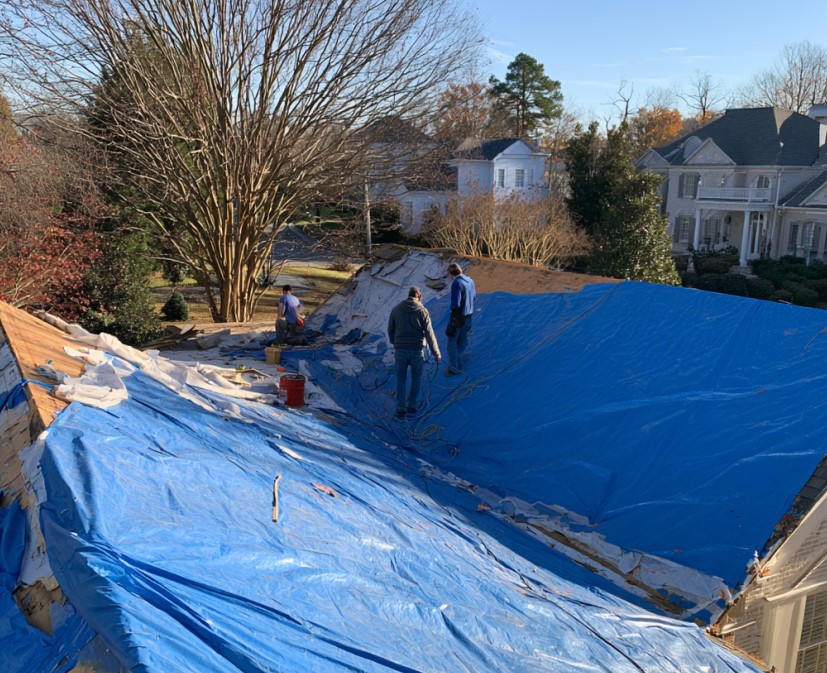
When our crews arrive to install an emergency roof tarp or patch a sudden breach, it’s easy to focus on what you can see: the bright blue tarp, the fresh shingles, or the sealed flashing.
But the real value of an emergency roof repair isn’t just the patchwork on top of your house. It’s the invisible, cascading structural disasters that are brought to a complete stop. Out here on the Western Slope, acting with urgency prevents a host of expensive, hidden problems that you’ll luckily never have to see.
At Bros Roofing, we believe in providing our neighbors with transparent communication and certified craftsmanship when it counts. Let’s pull back the curtain on what a fast emergency response actually protects inside your home.
Key Takeaways
- The Clock Is Ticking: Water damage and toxic mold can begin to take hold in hidden structural cavities in as little as 24 to 48 hours.
- Total Interior Protection: Immediate leak containment preserves your insulation, guards your drywall, and keeps your home’s electrical grid dry and safe.
- Massive Financial Savings: A premium emergency response today completely avoids the need for thousands of dollars in hidden remediation costs later.
If your roof has suffered sudden storm damage, Bros Roofing is standing by to help protect your home with reliable scheduling and honest service.
The Hidden Timeline of an Unaddressed Roof Emergency
When your roof’s outer layer is compromised, water doesn’t wait for a convenient time to enter. It moves immediately along the path of least resistance.
The dangerous part about a roof emergency is that the visible signs indoors, like a brown ring on your living room ceiling, are often the very last stage of the leak timeline. Long before that spot appears, the water is silently destroying components hidden behind your walls.
Here is what is actually happening behind the scenes when an emergency repair is delayed.
24 Hours: The Attack on Insulation and Decking
The moment rainwater gets past your shingles, it saturates your attic insulation. Fiberglass and cellulose insulation act like a giant sponge. Once wet, the material loses its air pockets, destroying its ability to regulate your home’s temperature.
This immediately drives up your energy bills. Simultaneously, the raw plywood decking beneath your shingles absorbs the moisture, beginning the process of wood rot.
48 Hours: The Arrival of Wood Rot and Mold
Mold spores exist naturally in the air, but they require moisture and a food source (like attic wood or drywall) to grow. In less than two days, trapped water creates a perfect breeding ground. Mold begins spreading across your roof trusses and joists. This unseen growth degrades your home’s air quality long before you ever smell a musty odor upstairs.
72 Hours and Beyond: Structural Weakening
As the wood rot progresses, the structural framing of your roof begins to soften. Nails lose their grip, support beams lose their integrity, and the roof deck can begin to sag. What started as a simple missing shingle has now evolved into a serious structural hazard.
What to Consider Before Delaying an Emergency Repair
Before deciding to wait out a leak or put off a repair until next season, it is vital to understand the true risks to your property. Here are the key factors every Western Slope homeowner should evaluate.
Active Weather Forecasts
What is the weather doing next?
If more rain, snowmelt, or high winds are forecast for Clifton, Delta, or Palisade, a minor opening will expand rapidly, accelerating failures in hidden damage prevention.
Proximity to Electrical Systems
Is water traveling near your wiring?
Leaking water that drips onto attic light fixtures, junction boxes, or wall outlets creates an immediate fire hazard and can short out your home’s electrical system.
Attic Access Limitations
Can you actually see the source of the leak?
Many roofs suffer from “water tracking,” where a leak enters at the roof peak but travels 20 feet down a rafter before dripping. If you can’t see the source, the damage is spreading blindly.
The True Cost of Restoration
What can your budget handle later?
Paying for a professional emergency tarp or immediate patch is a fraction of the cost of hiring a separate team for drywall replacement, mold remediation, and structural reconstruction.
Next Steps
Do you have a clear plan?
Hoping a leak will “dry up” on its own out here in Colorado usually leads to serious structural damage down the road.
You don’t have to guess at the extent of the damage. At Bros Roofing, we prioritize interior protection roofing strategies to ensure your home remains completely secure.
Step-by-Step: How Emergency Repairs Stop the Bleeding
When our certified crews arrive at your home for an urgent service call, we follow a precise, safety-first method to achieve total leak containment.
Step 1: Rapid Interior Assessment
Before climbing onto the roof, we locate the water entry points inside your home or attic to understand exactly where the structural components are most vulnerable.
Step 2: Safe Rooftop Inspection
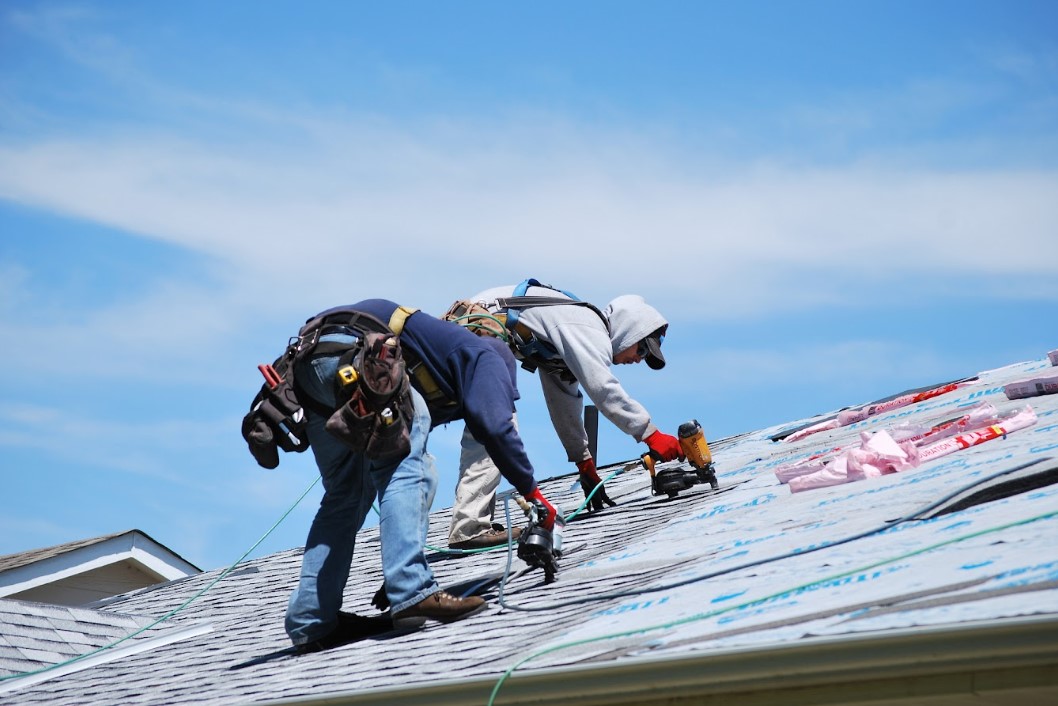
Using professional safety gear, we evaluate the exterior breach, checking for missing shingle sections, compromised valleys, or split pipe boot sealants.
Step 3: Immediate Heavy-Duty Tarping
If weather conditions prevent a permanent fix right away, we secure a heavy-duty, UV-resistant polyethylene tarp tightly over the area, running it smoothly over the roof ridge to guarantee immediate water runoff.
Step 4: Mechanical Fastening
We wrap the tarp edges around solid wooden furring strips and secure them with deck screws, ensuring the stopgap measure won’t catch the wind or pull loose during a typical Western Slope breeze.
Step 5: Permanent Material Matching
Once the immediate crisis is contained and the weather clears, we return to replace the substrate decking, underlayment, and shingles with matching, premium materials built for Colorado weather.
This method turns a stressful emergency into a controlled, predictable repair process, ensuring your home is protected from the inside out.
Simple Inside Mitigation Steps for Homeowners
While you are waiting for our emergency response team to arrive at your property, there are several safe, simple steps you can take from ground level to limit interior damage.
- Move valuables immediately: Clear a wide perimeter around the dripping water and move furniture, electronics, and heirloom items to a dry room.
- Contain the drip cleanly: Place a plastic bucket or bin directly under the leak. To prevent loud, messy splashing, tie a piece of string to the leak and run it down into the bucket so the water flows smoothly.
- Puncture a bulging ceiling safely: If your drywall ceiling is bubbling or bulging with trapped water, use a screwdriver to poke a small hole right in the center of the bulge. This releases the water pressure cleanly into your bucket and prevents the entire ceiling from collapsing under the weight.
- Document for your insurance claim: Take clear photos and videos of the active leak, the damaged roof from the yard, and any impacted interior spaces. These records are incredibly valuable when working with your insurance company later.
Emergency Roof Repair FAQs
What qualifies as a true roofing emergency?
A true roofing emergency includes any sudden damage that exposes your home’s interior to the elements, poses an immediate risk of structural collapse, compromises electrical wiring, or results from severe events such as a fallen tree or a fire.
How long can an emergency tarp stay on my roof in Colorado?
A professionally installed, high-quality tarp can technically last from 1 to 6 months. However, because Colorado’s intense high-altitude UV rays and high winds degrade tarps quickly, you should ideally transition to a permanent repair within a few weeks to prevent moisture from getting trapped underneath.
Will my homeowner’s insurance cover emergency roofing benefits?
In most cases, yes. Homeowners insurance policies are designed to cover sudden and accidental damage caused by storm events, wind, and fallen trees. However, they typically expect you to act quickly to mitigate further damage, which is exactly what an emergency roof repair accomplishes.
Can a minor roof leak cause an electrical fire?
Yes. Water follows the path of least resistance and often runs down internal framing directly into ceiling light fixtures, smoke detectors, and wall switches. If water comes into contact with exposed live wiring, it can create short circuits, dangerous sparking, and fire hazards.
Why does emergency roof repair cost more than standard maintenance?
Emergency services require roofing companies to mobilize crews immediately, often after-hours, on weekends, or during active storm seasons. This requires specialized rapid-response equipment, emergency tarps, and enhanced safety measures to secure a dangerous, slick roof structure safely.
Protect Your Peace of Mind Before the Damage Spreads
Out here on the Western Slope, we take pride in our homes. We know that a house isn’t just an asset; it’s where we protect our families through ever-changing seasons. When a roofing emergency strikes, the real battle isn’t against the shingles you see from the road; it’s against the invisible water damage threatening the structure underneath.
Taking action quickly changes the entire outcome of a storm. It keeps the repair scope small, protects your interior belongings, and ensures your roof continues to deliver a legacy of security.
At Bros Roofing, we are family-owned, community-rooted, and proud to deliver certified craftsmanship on schedule, every time. We treat your home as we would our own, providing honest pricing and absolute transparency from the initial assessment to the final inspection.
If you are facing a leak or suspect hidden storm damage, don’t wait for the problem to grow.
Schedule your free estimate today and let Bros Roofing protect your home this season.