
When late summer rolls around on Colorado’s Western Slope, the weather pattern undergoes a drastic shift. Blue skies over Grand Junction, Palisade, and Fruita can give way in a matter of minutes to intense monsoonal cloudbursts. These sudden, torrential downpours dump massive volumes of water in a remarkably short window.
For a brand-new roof, a monsoon storm is a tough test. But for an aging roof, it’s a setup for sudden structural failure.
Many homeowners assume their aging roof is doing fine simply because it hasn’t leaked during light spring showers. However, the sheer volume and velocity of monsoonal water creates a completely different kind of stress. At Bros Roofing, we regularly help neighbors navigate these exact weather events. Let’s look at why monsoonal storms push older roofs over the edge, how to spot the difference between gradual wear and acute storm damage, and what to do when water breaks through.
Key Takeaways
- The Downpour Trigger: Monsoonal rain dumps high volumes of water faster than aging, worn drainage systems can channel it away.
- Wear vs. Acute Damage: Natural aging appears uniformly as granule loss and curling, whereas monsoon damage manifests as localized, sudden water intrusion.
- Rapid Mitigation: Schedule a flash-flood roof inspection immediately after a heavy storm to catch hidden attic rot before mold sets in.
If a recent cloudburst has exposed a leak above your ceiling, Bros Roofing is standing by to deliver an honest assessment and a reliable local roof leak fix.
Why Monsoonal Cloudbursts Overwhelm Aging Roofs
An aging roof breaks down slowly over decades. Out here in high-altitude country, daily thermal expansion and intense UV radiation dry out asphalt shingles, making them brittle and forcing protective granules to shed.
While a brittle shingle might shed gentle rain, it fails during a monsoonal downpour for three specific reasons.
Water Pooling and Backlash
Monsoonal downpours often overwhelm standard 4- or 5-inch gutter systems in seconds. When water fills the gutter channel faster than the downspouts can drain it, it backs up under the lower edge of your shingles. On an older roof where the starter strip sealant has dried out, this standing water slips straight onto the wooden decking.
Hydrostatic Pressure
During a monsoon, rain doesn’t just fall; it pours hard and fast. The sheer force of high-velocity water pushes moisture upwards into subtle cracks, micro-fissures, and dried-out flashing seals that would otherwise stay dry during a normal rainstorm.
Debris Dams
Summer winds preceding a monsoon storm frequently drop leaves, small twigs, and dust into roof valleys. When the downpour hits, this loose debris washes down and forms mini-dams. Water accumulates behind these blockages, forcing its way under curled shingle edges.
Aging vs. Storm Damage: Knowing the Difference
Understanding whether your roof issues stem from gradual wear or a sudden weather event is essential for managing your property and working with home insurance.
Signs of Natural Roof Aging (Wear and Tear)
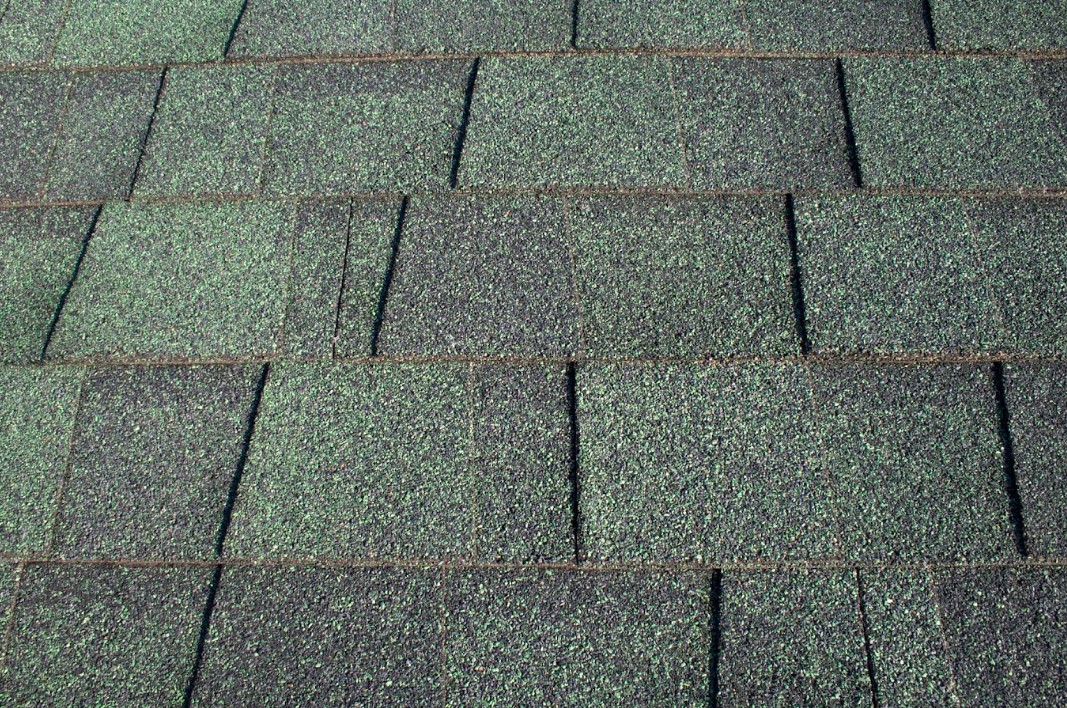
- Uniform Granule Loss: A consistent, widespread shedding of surface granules across all sides of the roof, often collecting in downspouts over several seasons.
- Widespread Shingle Curling: Shingle corners gently cupping or curling upward across the entire roof plane due to age-related drying.
- Faded Color: General discoloration evenly distributed across south- and west-facing slopes from years of direct sunlight.
Signs of Monsoonal Storm Damage (Acute Exposure)
- Sudden Interior Leaks: Water marks or brown rings appearing on your ceiling immediately following a specific storm.
- Lifted or Torn Shingles: Shingles with fresh, sharp tears or tabs creased back by heavy downburst winds.
- Separated Flashing: Metal flashing around chimneys, skylights, or vent pipes that has been visibly displaced by rushing water or wind.
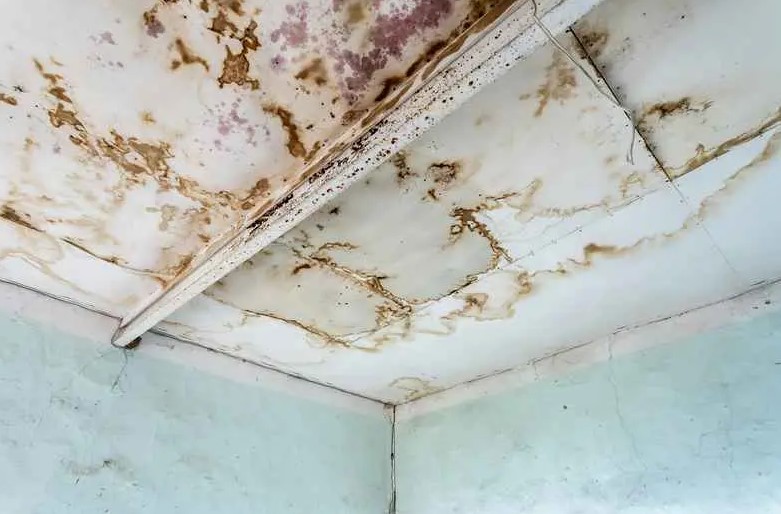
When you need an immediate emergency roof repair in Grand Junction, CO, acting fast stops acute storm damage from turning into permanent interior rot.
What to Consider Before the Next Monsoon Hits
Evaluating your home’s vulnerability before a storm rolls off the mesa keeps your maintenance proactive and affordable. Consider these key factors.
Roof Age
Is your roof over 15 years old?
Older asphalt shingles have lost much of their natural oils and elasticity, making them far more likely to crack under the sudden impact of driving rain.
Gutter Capacity
Are your gutters clear and properly sized?
Clogged or undersized gutters are the leading cause of edge-of-roof water backup during high-volume summer downpours.
Recent Wind Exposure
Have high winds loosened your shingle seals?
If recent gusting winds broke the factory adhesive bonds beneath your shingle tabs, heavy rain will easily drive underneath them.
Next Steps
Do you have a reliable roofer on call?
Knowing who to contact for a monsoonal storm roof leak repair before disaster strikes saves precious time when water is actively entering your home.
Don’t wait for a wet ceiling to tell you your roof is vulnerable. Book a professional checkup with Bros Roofing today.
Step-by-Step: Managing a Sudden Monsoon Leak
If a sudden downpour breaches your roof, following a clear, safety-first sequence prevents secondary damage to your home’s framing, drywall, and electrical systems.
Step 1: Contain the Water Indoors
Set wide buckets or plastic bins beneath the active drip. To stop messy, noisy splashing, tie a cotton string to the leak point on the ceiling and let it hang down into the bucket so the water flows smoothly along it.
Step 2: Relieve Ceiling Pressure
If water is pooling behind your ceiling drywall and creating a visible bulge, carefully poke a small hole in the center of the bulge with a screwdriver. This drains the trapped water into your bucket in a controlled stream, preventing a catastrophic ceiling collapse.
Step 3: Document Everything
Take clear photos and videos of the active leak, the interior ceiling damage, and your property. Timestamps and thorough photo documentation are essential for insurance verification.
Step 4: Schedule a Professional Inspection
Call a local expert for a sudden downpour roof patch on Western Slope properties. A certified crew will inspect the breach from the exterior, secure a temporary waterproof cover if necessary, and map out a permanent fix.
Flash Flood Inspections vs. Standard Annual Checks: What’s Different?
Not all roof inspections are created equal. While a standard annual checkup focuses on general wear, remaining material lifespan, and routine maintenance, a flash-flood roof inspection is an acute, diagnostic assessment designed to uncover hidden water intrusion after a severe cloudburst.
When high-velocity monsoonal rain hits an aging roof, water behaves unpredictably. Understanding how emergency storm evaluations differ from regular maintenance checks helps Western Slope homeowners know what to expect when an inspector arrives.
What Emergency Post-Monsoon Inspections Focus On
Rather than simply looking at shingles, emergency inspectors spend significant time in the attic using moisture meters and thermal imaging to detect damp insulation and saturated roof decking before water stains appear on your ceiling.
Water rarely drips straight down from where it enters the roof. Rain often enters near a ridge or pipe boot, runs 15 feet down a rafter, and drips elsewhere. Emergency evaluations trace water pathways back to the exact exterior breach.
Inspectors check whether heavy runoff overwhelmed your drainage system’s capacity and identify where backed-up water breached the soffits or starter shingle strips. When large volumes of water hit aged plywood decking, the wood can soften rapidly. Post-downpour checks test the structural firmness of the decking around vulnerable valley seams and chimney flashings.
Why Immediate Post-Storm Documentation Matters
If you plan to file an insurance claim for sudden monsoonal storm damage, timing is critical. Insurance adjusters require clear evidence that links the interior leak directly to a recent, specific weather event rather than to long-term neglect. A professional emergency inspection report provides timestamped photos, moisture readings, and technical documentation that clearly separate acute storm impact from everyday wear and tear.
Monsoonal Storm Damage FAQs
Why does my older roof only leak during summer downpours?
Light rain falls slowly enough for your roof’s natural pitch and gutters to carry it away smoothly. Summer monsoons drop huge volumes of water rapidly, creating standing water and high-velocity flows that force moisture into tiny, age-related cracks that usually stay dry.
Can a monsoonal leak cause mold in my attic?
Yes. Mold spores thrive in damp, warm environments and can begin growing in soaked attic insulation and wooden rafters within 24 to 48 hours of water intrusion. Prompt drying and repair are critical.
Will homeowner’s insurance cover a leak caused by a monsoonal storm?
If the leak was caused by sudden, acute storm damage (such as wind-lifted shingles or debris impact), insurance typically covers the repairs. However, if the leak occurred solely because an aging roof was neglected, carriers may classify it as standard wear and tear.
How quickly can a roofer apply a temporary patch during monsoon season?
Local emergency response teams can typically apply a temporary waterproof patch or heavy-duty tarp within 24 hours of a storm call, stopping active water intrusion until permanent repair materials can be installed.
Protect Your Western Slope Home with Bros Roofing
A sudden monsoonal cloudburst can turn a minor, unnoticed roof vulnerability into a major household headache in minutes. But with quick action, honest guidance, and certified craftsmanship, you can keep your home completely dry and protected through every summer storm.
At Bros Roofing, we are family-owned, community-rooted, and proud to serve our Western Slope neighbors. We treat your property like our own, delivering transparent communication, reliable scheduling, and long-term roofing solutions you can trust.
Don’t wait for the next dark cloud to roll off the mesa. Schedule your free estimate or roof inspection today, and let Bros Roofing protect your home this season.