A blazing summer afternoon in Grand Junction or Palisade feels like the perfect time to give your house a rest from winter snow and spring downpours. The sky is clear, the air is dry, and everything seems completely safe.
That’s exactly how summer roof failures catch homeowners off guard. They happen quietly, without a drop of rain or a single piece of hail.
On the Western Slope, intense high-altitude sunshine and baking heat can damage a home’s defense system faster than most people expect. What looks like a perfectly sturdy roof in June can suffer from severe structural wear by August, paving the way for unexpected leaks later.
At Bros Roofing, we’ve helped homeowners across the region catch these issues early, ensuring your property stays completely secure through every climate shift.
Key Takeaways
- Hidden Heat Stress: Massive summer roof failures often stem from continuous sun exposure rather than sudden wind or rainstorms.
- Material Fatigue: Extreme temperatures cause severe heat-induced roof damage, degrading shingles, warping decking, and destroying waterproofing seals.
- Early Prevention: A proactive inspection from local experts you can trust ensures that seasonal wear is patched before the autumn weather shifts arrive.
If you want to make sure your home is handling our intense summer climate safely, we’re always here to provide honest answers and clear next steps.
How Summer Weather Triggers Roof Failures Quietly
When summer arrives in Colorado, your roof faces a relentless opponent: solar radiation.
An asphalt shingle roof baking in the Montrose or Delta sun can easily reach surface temperatures upwards of 160°F. Under this massive thermal load, material expansion occurs, forcing every part of your roof to expand. When the sun goes down, the thin mountain air cools rapidly, causing the materials to contract.
This daily stretching and shrinking causes cumulative fatigue in roofing materials. The elements pull against one another, breaking down bonds out of sight:
- UV Radiation: Dries out the essential protective oils inside asphalt shingles, making them brittle.
- Thermal Shock: Splices and cracks open protective caulking around vent pipes and chimneys due to abrupt evening cooling.
- Attic Heat Build-Up: Bakes shingles from the underside if attic air isn’t moving, causing structural wood to warp.
This constant seasonal roof stress means your roof is actively working and wearing down every single day, even under a cloudless blue sky.
What to Consider Before Summer Roof Damage Gets Worse
Before assuming your roof is safe just because the weather is clear, it helps to understand which factors accelerate summer wear. Here are the key elements Western Slope homeowners should evaluate.
Sun Exposure
How much direct sunlight does your roof get?
Roofs with zero tree shade take the full impact of UV rays, accelerating granule loss and shingle drying.
Ventilation Quality
Is your attic trapping superheated air?
Poor ventilation causes attic temperatures to skyrocket, compounding heat-induced roof damage and warping the underlying wooden decking.
Shingle Age
How old are your roofing materials?
Older asphalt shingles have already lost much of their natural flexibility, making them highly susceptible to cracking under summer thermal stress.
Sealant Condition
Are your flashing seals still elastic?
Intense heat dries out roofing caulking, causing it to split and pull away from critical valley areas.
Next Steps
What is your maintenance plan?
Leaving a heat-stressed roof unchecked through the summer often results in immediate water intrusion during the first heavy fall rainstorm.
You don’t have to guess what’s happening above your ceilings. At Bros Roofing, we provide transparent communication so you can take care of your home with confidence.
Book your inspection before the next seasonal shift hits.
Step-by-Step: The Timeline of a Summer Roof Failure
Understanding how fatigue in roofing materials progresses helps explain why catching these issues early is so important.
Step 1: UV Rays Dry Out Shingles
Constant high-altitude sunlight breaks down the asphalt core. Shingles begin losing their protective surface granules, which accumulate in your gutters.
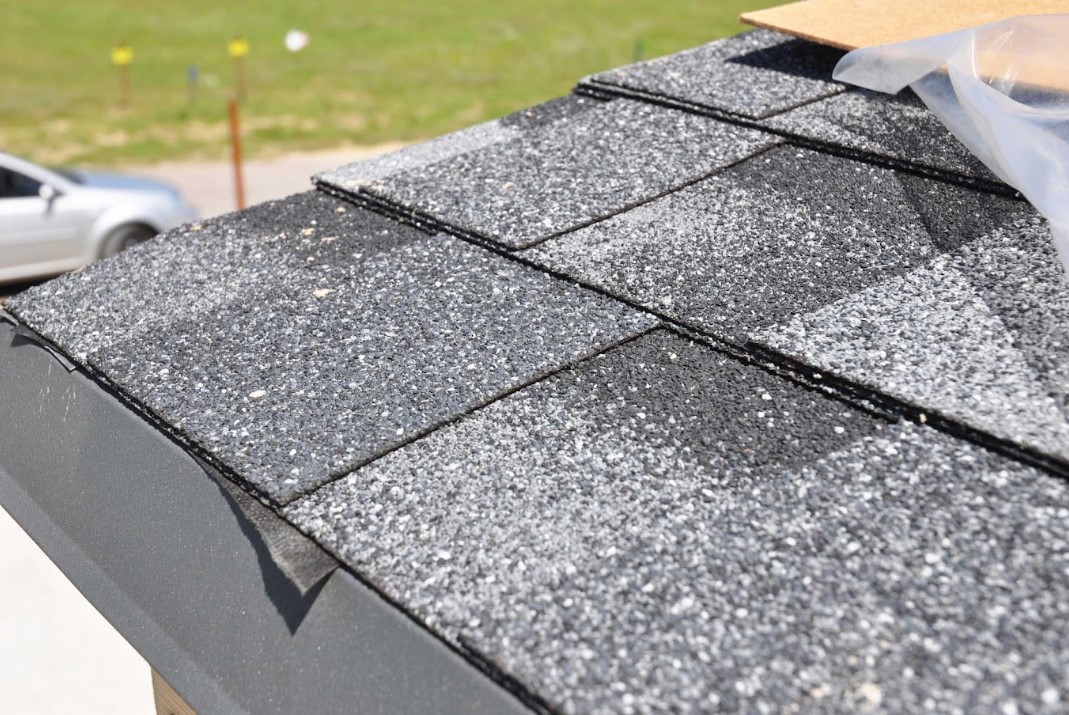
Step 2: Thermal Expansion Pulls at Seams
As daytime temperatures peak, materials swell. The constant movement breaks the manufacturer’s adhesive strips holding your shingles down.
Step 3: Fasteners and Flashing Work Loose
The shifting wood decking puts upward pressure on nails. Nails slowly “pop up,” while metal flashing splits away from dried-out rubber vent boots.
Step 4: Shingles Warping and Curling
Without protective granules or secure adhesive bonds, the shingles begin to curl, cup, or crack across the roof surface.
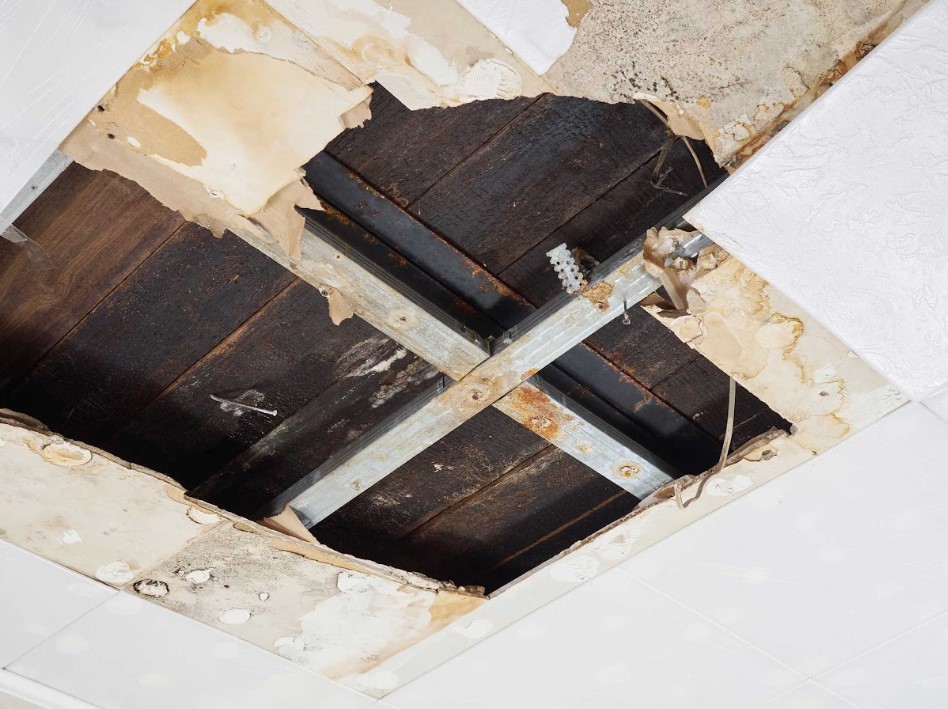
Step 5: Direct Pathways Form for Leaks
The roof structure is left completely vulnerable. The very next rainstorm or melting winter snow now has an unobstructed path straight into your attic.
This is the point where simple heat wear transforms into an expensive structural repair. Acting early keeps things simple; waiting makes the problem harder.
How To Stop Heat Wear Early and Stay Ahead of Damage
If you want to protect your investment during the hottest months of the year, a proactive approach turns seasonal stress into a manageable maintenance step.
Here is what that looks like:
- Check gutter downspouts: Look for piles of sand-like shingle granules, which indicate active UV breakdown.
- Inspect your attic: Take note of extreme heat buildup or a musty odor upstairs, which may indicate poor ventilation.
- Avoid walking hot roofs: Hot summer shingles are soft and pliable, meaning walking on them can easily scuff and damage the surface.
- Trust certified craftsmanship: Have a professional crew evaluate the integrity of your flashing and shingle bonds safely.
- Keep ventilation clear: Confirm your soffit and ridge vents are completely free of debris to maximize airflow.
This simple method keeps your home secure, your budget predictable, and your roof ready for whatever Colorado weather throws at it next.
Summer Roof Failures FAQ
What exactly are summer roof failures?
Summer roof failures are structural breakdowns, like cracked shingles, split sealants, or popped nails, caused by high heat, UV radiation, and daily thermal movement rather than storm damage.
How does heat-induced roof damage start?
It begins when intense solar heat raises your roof’s surface temperature up to 160°F, drying out the shingles’ essential oils and causing different materials to pull apart as they expand.
What is roofing material fatigue?
This is the gradual weakening of your roof components caused by thousands of daily expansion and contraction cycles, which eventually snaps adhesive seals and cracks protective materials.
Why is seasonal roof stress worse on the Western Slope?
Our high altitude means our roofs take a double hit: thinner air allows more intense UV rays to degrade materials faster, while mountain shadows cause rapid evening cooling that strains roof joints.
Can a hot attic cause summer roof failures?
Absolutely. If an attic lacks proper airflow, it traps superheated air inside. This bakes your shingles from the bottom up, warping the wood decking and cutting years off your roof’s lifespan.
Will insurance cover a roof failure caused by summer heat?
Generally, no. Homeowners insurance is designed for sudden storm events like hail or high winds. Damage from continuous summer heat is considered normal wear and tear, making routine maintenance essential.
Protect Your Home Before the Heat Takes a Toll
Out here on the Western Slope, our roofs work just as hard in the dead of summer as they do in the middle of winter. The damage doesn’t always wait for a dramatic hailstorm; it accumulates quietly under the midday sun.
Preventing unexpected failures is all about staying one step ahead. By catching granule loss, popping fasteners, and dried sealants early, you keep repairs minor, affordable, and stress-free.
At Bros Roofing, we combine family-owned values with certified craftsmanship to ensure your home gets the premium protection it deserves. We live here, we work here, and we treat your property exactly like our own.
Don’t wait for autumn rains to reveal hidden summer damage.
Schedule your free estimate today and let Bros Roofing give you true peace of mind through every season.