On the Western Slope, we’re no strangers to dramatic weather changes. It’s not unusual to wake up to crisp, freezing mornings in Grand Junction or Montrose, only to see the afternoon sun push temperatures sky-high.
While we’re adjusting our layers, our roofs are doing some heavy lifting of their own.
Your roof is constantly battling a natural phenomenon known as thermal roof stress. Every single day, the materials protecting your home expand in the heat and contract in the cold. It’s a slow, invisible process, but over time, this constant temperature roof movement can take a serious toll on your home’s defense system.
At Bros Roofing, we believe in helping our neighbors protect their homes early. Let’s look at how these daily temperature swings affect your roofing system and what you can do to keep it strong through every season.
Key Takeaways
- Constant Movement: Extreme temperature changes cause different roofing materials to expand and contract at different rates, leading to gradual wear.
- Hidden Weaknesses: Thermal roof stress slowly backs out nails, breaks shingle seals, and splits protective caulking around roof penetrations.
- Proactive Defense: Annual inspections by local experts you can trust catch these minor shifts before they turn into interior water damage.
If you aren’t sure how your roof is holding up against Colorado’s intense climate shifts, we’re always here to give you honest answers and clear next steps.
What is Thermal Roof Stress?
Let’s break this down into simple terms. When the sun beats down on a hot summer day, your roof can get incredibly hot, sometimes reaching 160°F. Under that intense heat, materials expand. The shingles, the metal flashing, and the wooden decking beneath all swell slightly.
Once the sun dips behind the mountains, that temperature can plummet by 40 to 50 degrees in just a few hours. The materials quickly cool down and shrink.
This continuous cycle of stretching and shrinking is called thermal cycling. Think of it like bending a plastic paperclip back and forth. It won’t break the first or second time you do it, but eventually, the material tires out. On your roof, this daily tug-of-war causes cumulative fatigue that weakens the entire system over the years.
Why Different Materials Make the Problem Worse
A roof isn’t just made of one single material. It’s an assembly of asphalt, metal, wood, and rubber.
Here is the catch: different materials expand and contract at different rates.
- Metal Flashing: Expands rapidly and significantly when heated.
- Asphalt Shingles: Move at a slower, completely different rate than the metal next to them.
- Wood Decking: Shifts based on both temperature and attic humidity.
These parts are nailed and sealed tightly together; they pull against one another as they shift. This mismatch places intense pressure on the joints, seams, and fasteners holding your roof together.
Structural Fallout: Signs of Heat-Related Roof Damage
This process happens so slowly that you won’t notice it day to day. However, after a few years of Colorado conditions, thermal roof stress leaves behind distinct, readable clues.
Here are the common warning signs we look for during our routine inspections.
Shingle Seal Failure
Asphalt shingles are designed with a built-in adhesive strip that bonds them to the shingle layer below. Constant stretching and shrinking can eventually snap that adhesive bond. Once the seal is broken, the shingles become brittle, start to curl at the corners, and are highly susceptible to getting caught and lifted by high winds.
Nail Backouts
As the wooden roof decking expands and contracts daily, it exerts a tiny pulling force on the roofing nails. Over thousands of cycles, those nails can slowly wiggle their way upward. A “pop-up” nail pushes right through the asphalt shingle above it, creating a direct pathway for water to slip inside.
Cracked Sealants and Split Flashing
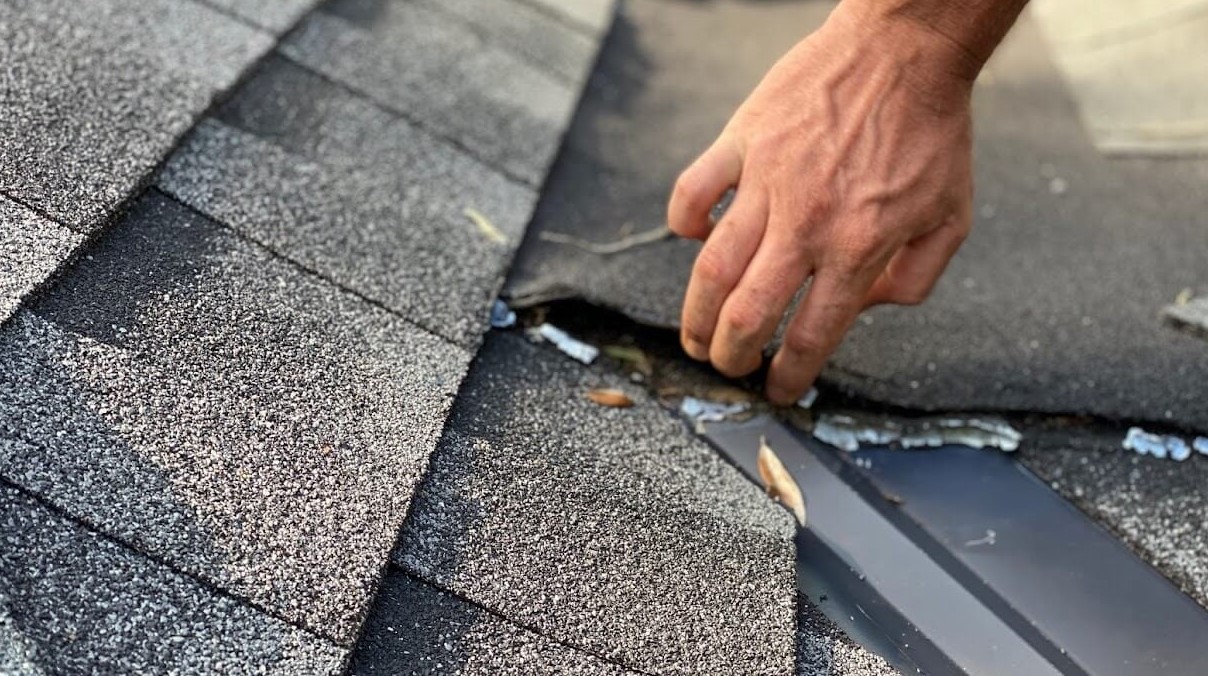
Metal flashing is used to seal the valleys of your roof and the areas around your chimney, vents, and skylights. Roofers use specialized caulking and sealants to keep these joints watertight. Because metal shifts so aggressively during temperature swings, that protective sealant dries out, cracks, and pulls away, leaving open gaps for roof moisture intrusion.
The Freeze-Thaw Compound Effect
In places like Clifton, Delta, and Palisade, winter and spring introduce an extra layer of trouble: the freeze-thaw cycle.
When thermal roof stress creates tiny cracks in your shingles or flashing sealants, daytime melting allows snowmelt to trickle right into those small spaces. Overnight, the temperature drops below freezing.
As water freezes, it expands. That ice acts like a small wedge, prying the crack just a little bit wider. The next afternoon, more melted snow fills the deeper gap, only to freeze and expand again that night. This relentless cycle speeds up heat-related roof damage, turning minor material fatigue into active, silent roof leaks.
The Difference Between Residential and Commercial Thermal Stress
Thermal roofing stress affects every building, but it looks a bit different depending on whether it’s a single-family home or a commercial property on the Western Slope.
Residential Homes: Pitch and Shingles
Most homes in Grand Junction or Montrose have sloped roofs built with asphalt shingles. Due to the way these roofs are angled, they receive direct, shifting angles of sunlight throughout the day. The thermal roof stress here primarily involves individual shingle expansion, popping nails, and splitting pipe boot seals. As the residential roof system shifts, thousands of small components pull against each other, making residential properties prone to localized, silent roof leaks.
Commercial Buildings: Flat Surfaces and Seams
Commercial properties across Delta and Clifton often feature large, flat roofs that use single-ply membranes such as TPO or EPDM. These roofs have a massive, dark surface area with no slope to shed sunlight, so the heat gain is incredibly intense. The resulting temperature-induced roof movement is concentrated heavily on the welded seams and perimeter flashing. Over time, constant expansion can cause these crucial seams to tear open, leading to major ponding leaks and costly structural moisture intrusion.
If you own a local business or manage a commercial property, protecting your investment starts with specialized commercial care. Call Bros Roofing to protect your home or business this season.
What We Look for During a Thermal Stress Inspection
When our certified crews walk your roof, we aren’t just looking for missing shingles. We follow a detailed checklist to catch hidden damage from material expansion in roofing before the next big storm rolls in.
Our inspection process focuses on these four critical areas.
Fastener Backouts: Checking for Loose Nails
We carefully inspect the surface of your roof for subtle, small bumps. When Colorado’s extreme temperature swings cause the wooden roof decking underneath to expand and contract, it exerts a slow upward pressure on the roofing nails. We look for these “popped” fasteners before they fully tear through the asphalt shingle above them, creating an open pathway for water.
Flashing Elasticity: Testing the Perimeter Seals
Metal flashing expands and contracts much faster and more aggressively than asphalt shingles or wood. We closely examine the specialized caulking and sealants around your chimney, roof valleys, and plumbing vents. Our goal is to double-check that this rapid movement hasn’t caused the protective sealant to dry out, crack, or completely pull away from the joints.
Adhesive Integrity: Evaluating the Shingle Bond
Manufacturers design asphalt shingles with a specialized adhesive strip that uses solar heat to securely bond the layers. However, years of continuous daily stretching and shrinking can break that physical bond. We manually check the shingle tabs to see that they remain tightly sealed and won’t lift during the next high-wind event on the Western Slope.
Ventilation Performance: Measuring Attic Airflow
Heat-related roof damage is drastically accelerated when a roof is baked from both the outside and the inside. We evaluate your intake and exhaust vents to make sure fresh air circulates smoothly. Proper ventilation prevents superheated air from becoming trapped directly beneath your roof decking, which reduces the overall thermal stress your roof experiences every day.
Elevation and Altitude: Colorado’s Extra Layer of Thermal Stress
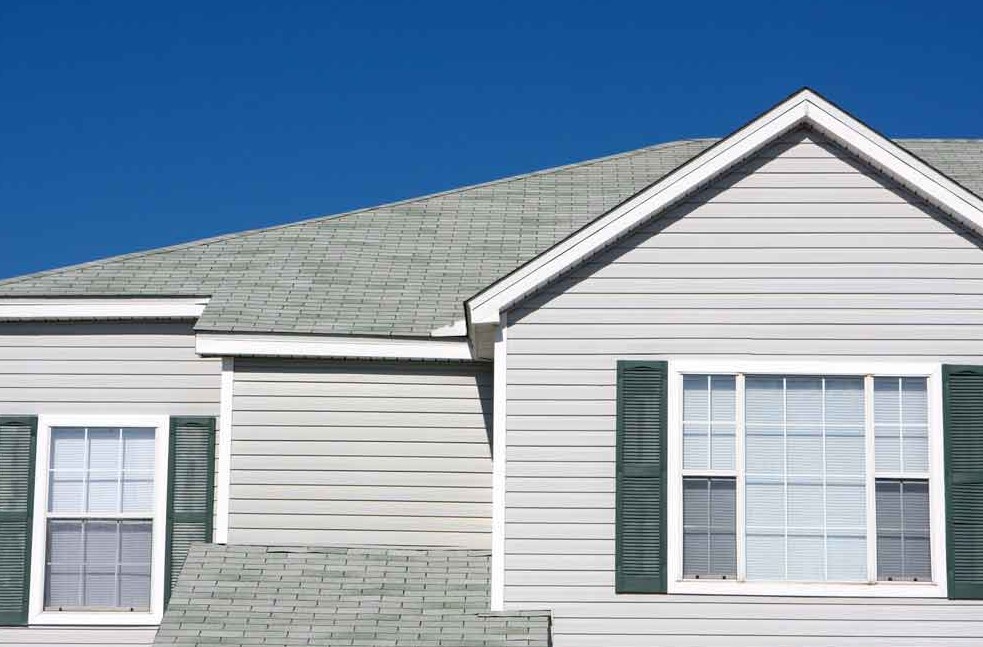
Living on the Western Slope means we get to enjoy incredible mountain views, but it also means our roofs sit much closer to the sun. High-altitude roofing comes with a unique set of environmental factors that drastically amplify the effects of daily temperature swings.
Intense UV Radiation at High Elevation
The higher up you go, the thinner the atmosphere becomes, which means there is less protection from the sun’s harsh rays. In places like Grand Junction, Palisade, and Montrose, intense UV radiation beats down on your roof year-round.
This constant exposure breaks down the protective oils within asphalt shingles, making them dry, stiff, and brittle. When shingles lose their natural flexibility, they can no longer expand and contract smoothly. Instead of shifting safely during a temperature swing, the hardened material cracks and splits under the pressure of thermal roof stress.
Rapid Cooling and Mountain Shadows
Our mountain air is thin and relatively dry; the Western Slope doesn’t hold onto daytime heat the way lower, more humid regions do. The moment the sun drops behind the canyon walls or mountain peaks, the temperature on your roof surface plummets instantly.
This sudden drop causes an abrupt, rapid contraction of your roofing materials. Moving from blistering daytime heat to crisp mountain cold in a matter of minutes puts immense strain on your roof’s seams and joints, accelerating heat-related roof damage.
The True Cost of Ignoring Temperature Roof Movement
It’s easy to take a “set it and forget it” approach to your roof, especially when everything looks fine from the driveway. However, ignoring the slow, cumulative impact of temperature roof movement can quickly turn into an expensive headache down the road.
From a Minor Gap to Major Drywall Damage
A single backing-out nail or a slightly cracked flashing seam might seem minor at first. In fact, it might not even cause a visible leak during a light spring shower. However, once that tiny vulnerability is opened up by thermal cycling, every subsequent temperature swing pulls it just a fraction wider.
When a heavy Colorado downpour or a fast winter snowmelt finally hits, water will exploit that exact path. What could have been fixed with a quick, affordable maintenance patch can suddenly turn into a major project involving drywall replacement, ruined insulation, and structural framing repairs.
Premature Aging and Reduced Roof Lifespan
When thermal stress goes unaddressed year after year, your shingles age far faster than the manufacturer intended. They lose their protective granules, warp at the edges, and lose their wind resistance. This doesn’t just leave your home vulnerable to weather; it also lowers your property’s curb appeal and resale value.
A roof built to last 25 years might fail prematurely after just 12 to 15 years if it is forced to withstand Colorado’s climate without routine maintenance. Taking care of your roof early is simply the best way to ensure peace of mind through every season.
How to Protect Your Home Against Thermal Wear
You can’t change the Western Slope weather, but you can change how your home responds to it. Protecting your home starts with smart choices and consistent care.
- Invest in Certified Craftsmanship: High-quality materials handle thermal pressure much better. When installing a roof, proper installation techniques, such as leaving precise spacing for metal flashing to shift without buckling, are absolutely vital.
- Prioritize Attic Ventilation: A well-ventilated attic allows heat to escape rather than trapping it directly under your roof decking. This balances the temperature and reduces extreme thermal shifts.
- Schedule Regular Inspections: Temperature-related roof movement causes slow, hidden wear, so you won’t spot it from the driveway. A professional eye can catch a backing-out nail or a separating flashing seam and patch it up in minutes.
Catching these tiny movements early is always the most affordable, stress-free way to maintain your roof. At Bros Roofing, we treat your home like our own. We focus on transparent communication and reliable scheduling to give you absolute peace of mind through every season.
If you want to know how your roof is handling the local climate shifts, schedule your free quote now to protect your home this season.
Thermal Roof Stress FAQs
Can thermal roof stress cause leaks if it hasn’t rained or snowed recently?
Yes. While the movement itself doesn’t create water, it creates the open vulnerabilities. Thermal stress cracks sealants and lifts shingle edges quietly.
When the next sudden rain or snowmelt finally hits the Western Slope, the water immediately exploits those existing gaps, showing up inside your home as a “sudden” leak.
Do certain shingle colors experience more thermal movement?
Darker shingles (like deep charcoal or black) absorb significantly more solar heat than lighter, reflective shingles. This increased heat absorption leads to higher surface temperatures, which can intensify daytime expansion and accelerate material aging.
How does attic ventilation affect thermal roofing stress?
Good ventilation keeps your attic temperature closer to the outside air temperature. Without proper airflow, heat gets trapped inside your attic, baking your roof shingles from both sides. This intense heat buildup amplifies material expansion, exacerbates roofing issues, and warps the wooden roof deck.
Does homeowner’s insurance cover damage caused by temperature swings?
Generally, no. Insurance is designed to cover sudden, accidental storm damage, such as hail or high winds. Damage caused by daily temperature fluctuations is classified as long-term wear and tear and falls under routine home maintenance. This is why regular inspections are so important for your budget.
How often should my roof flashing be checked for thermal separation?
We highly recommend having your flashing and pipe boots inspected once a year. Because metal expands more aggressively than asphalt, the sealants around your chimneys and valleys are almost always the first to show wear from thermal cycling.