Spring storms on the Western Slope don’t give much warning. One minute it’s calm in Grand Junction, the next you’re dealing with wind, hail, and a sudden leak. That’s when emergency roof tarping becomes more than a quick fix; it’s real roof damage control.
Many homeowners think tarping is a last resort. In reality, it’s one of the most effective forms of proactive roof protection you can take right after damage happens.
At Bros Roofing, we’ve helped homeowners across Grand Junction, Montrose, and Delta protect their homes early, before small problems turn into major repairs.
Key Takeaways
- Emergency roof tarping stops damage fast: It blocks water before it spreads through your home
- It’s part of storm damage mitigation: Not a patch, but a smart first step in the repair process
- Acting early saves money: Proper roof damage control reduces repair scope and stress
If you’re dealing with storm damage, Bros Roofing is here to help protect your home and guide you through the next steps.
How Emergency Roof Tarping Works When Storm Damage Hits
When your roof is damaged, water doesn’t wait. It moves through layers, insulation, and framing faster than most people expect.
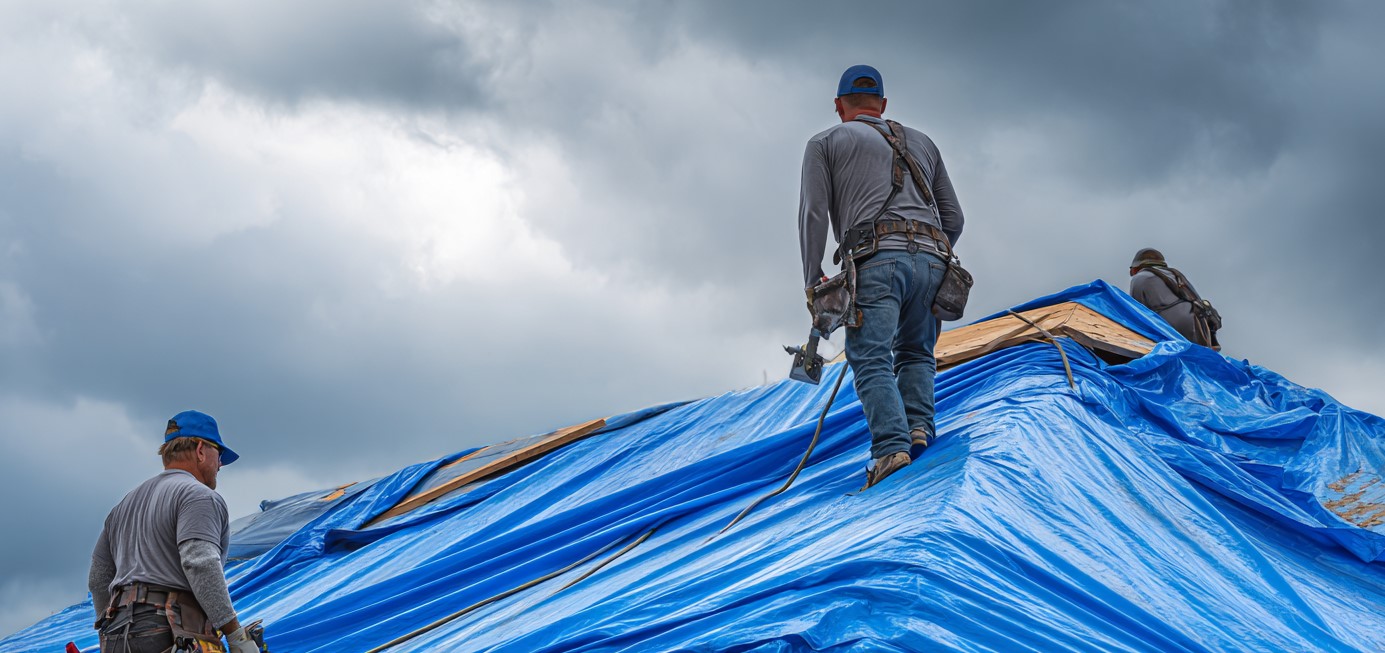
Emergency roof tarping is the process of covering damaged areas with durable materials to stop that movement immediately.
Think of your roof as a system:
- Shingles shed water
- Underlayment backs them up
- Decking supports everything
Once that system is exposed, water finds a way in. Tarping restores a temporary barrier so your home stays protected while repairs are planned.
On the Western Slope, this matters even more. Our mix of wind, snow, and sudden temperature swings can turn minor damage into major issues quickly. That’s why storm damage mitigation starts with immediate action.
Without proper roof damage control, even a small opening can lead to:
- Wet insulation
- Interior stains
- Mold growth
- Structural softening
The goal of tarping isn’t to “fix” the roof. It’s to stabilize the situation so you can make a clear, informed repair decision.
And that’s where many homeowners get ahead, or fall behind.
Call Bros Roofing to protect your home this season if you suspect damage.
What to Consider Before Choosing Emergency Roof Tarping
Before you move forward with emergency roof tarping, it helps to understand what goes into the decision. This isn’t just about covering a roof; it’s about protecting your home the right way.
Here are the key factors to think through.
Extent of Damage
What are you really dealing with?
Is it a few missing shingles or a visible hole? Even small damage can allow water in, so early proactive roof protection is often worth it.
Timing
Can you act before the next storm?
On the Western Slope, weather changes fast. Waiting even a day can increase damage, which is why fast storm damage mitigation matters.
Safety
Is it safe to handle yourself?
Roof surfaces are unstable after storms. Professional help ensures proper installation and avoids injury or further damage.
Insurance
Will you need documentation?
Many policies require you to prevent further damage. Emergency tarping supports your claim by showing responsible action.
Repair Plan
What comes next?
Tarping is step one. You’ll still need inspection, repair planning, and possibly insurance coordination.
If you’re unsure where to start, working with local experts you can trust makes a big difference. At Bros Roofing, we walk you through each step so you feel confident, not rushed.
Book your inspection before the next storm hits.

Step-by-Step: How Roof Damage Control Should Happen
When storm damage hits, the process should be simple and focused. Here’s how roof damage control should unfold.
Step 1: Assess From the Ground
Look for missing shingles, debris, or visible openings. Don’t climb the roof, safety comes first.
Step 2: Stop Water Entry Immediately
This is where emergency roof tarping comes in. It creates a barrier that prevents water from spreading deeper into your home.
Step 3: Stabilize the Area
A properly installed tarp redirects water and reduces stress on damaged sections.
Step 4: Schedule a Professional Inspection
Once things are stable, a full inspection identifies the real source of the problem.
Step 5: Plan Permanent Repairs
With the damage contained, you can move forward with a clear repair plan, without the pressure of active leaks.
This step-by-step approach keeps the situation controlled and manageable. It’s how proactive roof protection turns a stressful situation into a solvable one.
Stop the Damage Early and Protect What Matters Most
If your roof has been damaged, the smartest move is simple: act early.
Here’s what that looks like:
- Call for emergency roof tarping quickly: Don’t wait for water to spread
- Document visible damage: Take photos for your records
- Avoid climbing the roof: Leave that to professionals
- Plan your next steps: Inspection, repair, and long-term protection
This approach keeps things simple and controlled. It’s how homeowners across the Western Slope stay ahead of costly repairs.
And it’s how you protect your home, your family, and your investment.
Emergency Roof Tarping FAQs
What is emergency roof tarping, and when do I need it?
Emergency roof tarping is the process of covering roof damage to stop water entry. You need it when storms cause openings that expose your home.
Does emergency roof tarping really prevent further damage?
Yes, emergency roof tarping prevents further damage by blocking water and supporting storm damage mitigation until repairs are completed.
How long does emergency roof tarping last?
Emergency roof tarping is temporary. It can last weeks, depending on the weather, but it should always be followed by permanent repairs.
Is emergency roof tarping covered by insurance?
Emergency roof tarping is often covered by insurance because it helps with roof damage control and prevents additional loss.
Can I install emergency roof tarping myself?
Emergency roof tarping can be dangerous to install yourself. Professional installation ensures safe, effective, proactive roof protection.
How fast should I schedule emergency roof tarping after a storm?
You should schedule emergency roof tarping as soon as possible after a storm to reduce damage and avoid costly repairs.
Protect Your Home Before the Next Storm Hits
Out here on the Western Slope, storms are part of life. But major roof damage doesn’t have to be.
Emergency roof tarping is one of the simplest ways to stay ahead of problems. It gives you time, control, and a clear path forward.
At Bros Roofing, we combine local experience with certified craftsmanship to deliver reliable solutions on schedule, every time. We treat your home like our own, because we live and work in the same communities.
If your roof has taken a hit, don’t wait for it to get worse.
Schedule your free estimate today and let Bros Roofing help protect your home this season.