A roof leak rarely looks urgent at first.
It’s usually a small stain on the ceiling in Grand Junction. Maybe a faint musty smell in the attic after a storm in Montrose. Easy to ignore for a few days.
That’s where problems start.
Once water enters your roofing system, roof damage spread begins immediately. It may not look dramatic right away, but water damage escalation is already happening behind the scenes. What starts as a small entry point can turn into widespread moisture roof damage and eventually progressive roof failure if it’s left alone.
At Bros Roofing, we see this pattern every year across the Western Slope. The difference between a simple repair and a major project often comes down to how quickly the issue is addressed.
Key Takeaways
- Roof damage spread starts as soon as water gets into the system
- Water damage escalation often happens before you see visible signs
- Early repairs help prevent progressive roof failure and larger costs
If you’ve noticed even a small sign of a leak, it’s worth understanding what’s happening next.
How Roof Damage Spread Starts Inside Your Roof
Most homeowners picture a leak as water dripping straight down through the ceiling.
That’s not how it works.
Your roof is a layered system made up of shingles, underlayment, decking, insulation, and framing. When water gets past the outer layer, it begins moving through those materials. That’s where roof damage spread begins.
Water can enter through:
- Damaged or missing shingles
- Cracked flashing around vents or chimneys
- Worn vent boots or seals
- Clogged gutters forcing water backward
- Storm-damaged valleys or transitions
Once inside, water follows the path of least resistance. It may travel along decking, soak insulation, or move across rafters before it becomes visible.
That’s why moisture roof damage is often much larger than the stain you see.
On the Western Slope, weather speeds this up. Freeze–thaw cycles expand small openings. Wind-driven rain pushes water deeper. Strong sun dries surfaces unevenly while moisture continues spreading below.
By the time you notice a problem inside, it’s usually been active for a while.
Why Water Damage Escalation Happens So Quickly
Water doesn’t need a large opening to cause serious damage.
It just needs time.
The early stage of water damage escalation is usually hidden. Insulation absorbs moisture. Roof decking begins to soften. Wood framing starts holding water. None of this may be visible from your living space.
As exposure continues:
- Insulation compresses and loses efficiency
- Wood remains damp longer than it should
- Mold growth becomes possible
- Structural materials begin to weaken
This is where progressive roof failure starts.
A small flashing issue might begin as a simple repair. But if it remains active through multiple storms or a Colorado winter, it can spread into a larger structural concern.
That’s why small leaks rarely stay small.
What Happens as Moisture Roof Damage Develops
Early Stage: Water Enters And Starts Moving
Water gets past the outer layer and begins spreading through the system. At this point, there are usually no visible interior signs.
Short-Term Stage: Insulation And Decking Absorb Moisture
This is when moisture roof damage becomes more serious. Insulation becomes damp and less effective. Decking starts to weaken.
You may notice:
- Slight attic odor
- Insulation that looks compressed
- Minor discoloration on wood
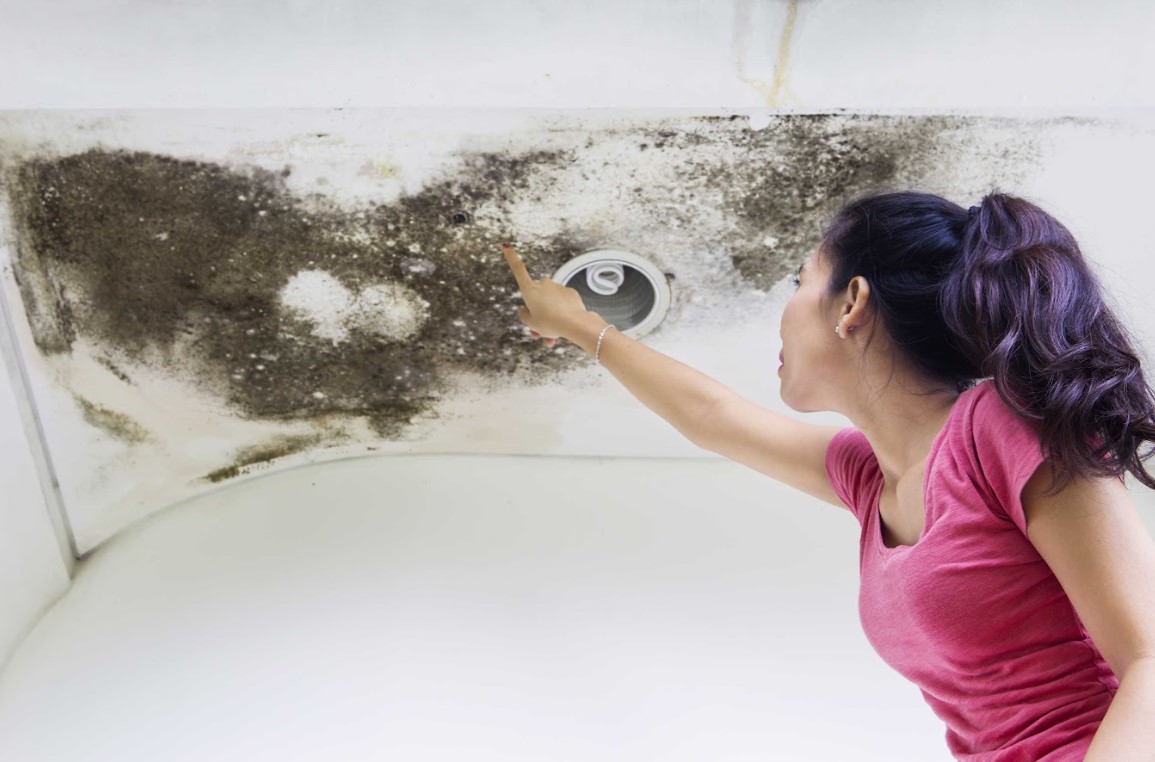
Visible Stage: Interior Signs Appear
Now roof damage spread becomes visible.
Common signs include:
- Ceiling stains
- Bubbling or peeling paint
- Soft drywall
- Water marks near walls or fixtures
At this point, the leak has likely been active for weeks.
Advanced Stage: Structural Impact Begins
This is where water damage escalation becomes costly.
You may see:
- Sagging areas in ceilings or rooflines
- Rotted fascia or decking
- Mold growth
- Expanding leak zones
What started as a small repair may now involve multiple components.
Where Roof Damage Shows Up First
Not all areas of your roof system respond the same way to moisture.
Decking Absorbs Damage Early
Roof decking often shows damage before interior signs appear. By the time you see a stain, the wood beneath may already be affected.
Insulation Loses Performance Quickly
Wet insulation is one of the first signs of moisture roof damage. It clumps together and stops regulating temperature effectively.
This can increase energy costs before you even realize there’s a leak.
Flashing And Penetrations Worsen Over Time
Once water finds a weak point, repeated exposure makes it worse. This accelerates roof damage spread and increases the chance of recurring leaks.
Roof Edges Are Vulnerable To Drainage Issues
Water entering near gutters or edges can lead to fascia damage, wood rot, and soft decking. This is a common path toward progressive roof failure.
Why Colorado Weather Makes Roof Damage Spread Faster
Colorado roofs face conditions that don’t allow small problems to stay small.
Here’s what speeds things up:
- Freeze–thaw cycles expanding cracks
- Hail weakening shingle surfaces
- Wind pushing water into small gaps
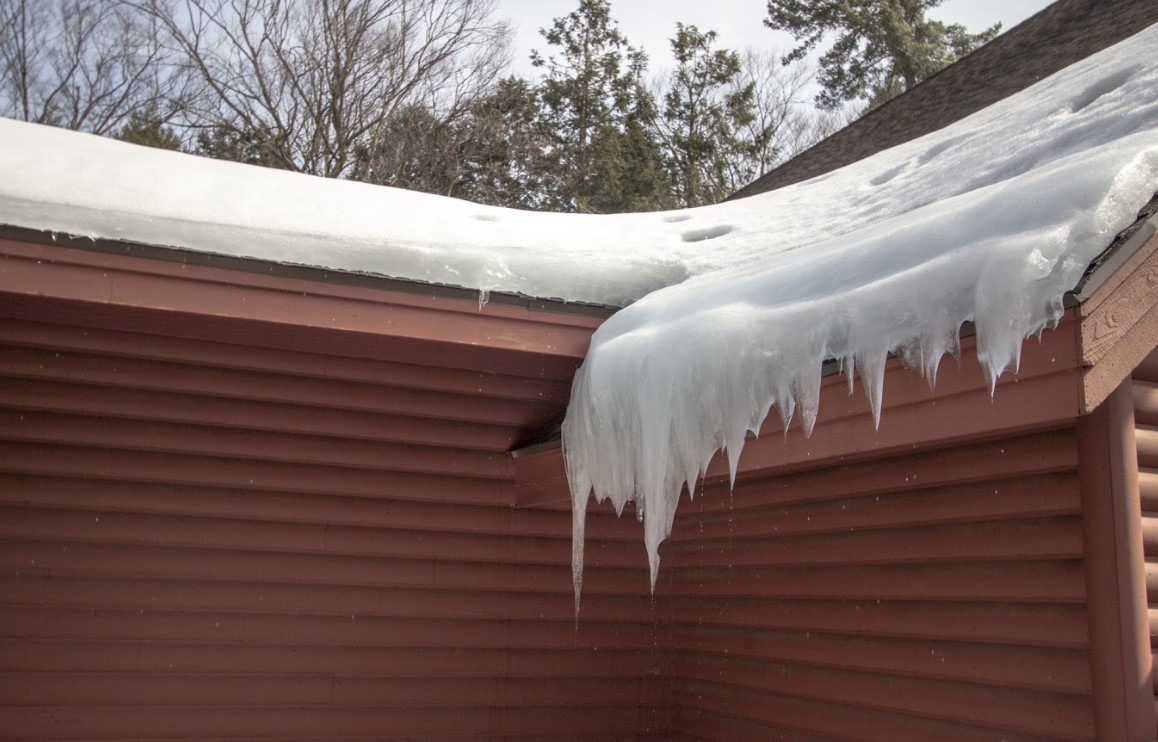
- Snowmelt keeping moisture active longer
This combination increases water damage escalation.
A leak that might develop slowly elsewhere can move much faster here. That’s why even minor signs should be taken seriously.
Your roof is built for Colorado weather, but only if every part is doing its job.
How to Slow Roof Damage Spread Early
The sooner you address a leak, the smaller the repair usually is.
You don’t need to panic, but you do want to act.
Start with:
- Noting any changes in stains or moisture patterns
- Checking attic insulation and airflow
- Watching for musty smells
- Scheduling inspections after storms
- Avoiding quick patches without diagnosis
The key is identifying the source.
A ceiling stain shows where water ended up, not where it entered. Proper inspection prevents you from fixing the same problem more than once.
That’s how you maintain strong roofing repair quality and avoid repeat damage.
The Simple Reality: Roof Damage Spread Starts Right Away
If water gets into your roof, damage begins immediately.
Here’s what that timeline looks like:
- Same day: Water enters and begins spreading
- Within days: Insulation and decking may already be affected
- Within weeks: Interior signs appear
- Within months: Water damage escalation affects structure and materials
That’s why waiting rarely works in your favor.
Most roof issues are manageable early. They become expensive when they’re ignored.
Roof Damage Spread FAQs
How fast does roof damage spread?
Roof damage spread begins immediately after water enters the roofing system. Visible signs may take time, but internal damage starts right away.
What causes water damage escalation in a roof?
Water damage escalation happens when moisture remains trapped in insulation, decking, and framing over time, especially with repeated exposure.
Can moisture roof damage happen without a major storm?
Yes. Moisture roof damage can develop from small issues like aging materials, flashing gaps, or poor drainage.
What is progressive roof failure?
Progressive roof failure is when damage spreads beyond a single issue and begins affecting multiple parts of the roofing system.
When should I call a professional?
You should call a professional when you notice any signs of roof damage spreading, including stains, odors, or recurring leaks.
Protect Your Home Before Damage Spreads
A small leak can feel easy to ignore.
But once water gets in, the roof damage spread begins. Then water damage escalation follows. Left alone, that leads to progressive roof failure that affects more than just your roof.
At Bros Roofing, we’re family-owned, community-rooted, and proud to serve homeowners across the Western Slope. We provide honest inspections, certified craftsmanship, and solutions built for Colorado conditions.
We treat your home like our own, because we live here too.
If something looks off, it’s worth checking.
Schedule your free estimate today and protect your home before the damage spreads.