
Spring on Colorado’s Western Slope feels like a fresh start. Snow melts, temperatures rise, and homeowners in Grand Junction, Delta, and Montrose finally get a clear look at how winter treated their roof. For first-time homeowners, especially, this is the moment when questions start popping up: Is my roof okay? Did winter cause damage? What should I be checking?
That’s where a solid roof maintenance checklist comes in. Spring is the best time to spot small issues before they turn into leaks, repairs, or unexpected costs later in the year. At Bros Roofing, we help homeowners every spring sort out what’s normal wear, what needs attention, and what can wait.
Key Takeaways
- A spring roof inspection checklist helps first-time homeowners catch winter damage early.
- Routine roofing maintenance checklist steps can extend roof life and reduce repair costs.
- A free roof inspection gives peace of mind when you’re unsure what you’re seeing.
If you’d rather not guess, Bros Roofing is here as a local partner you can trust to protect your home through every season.
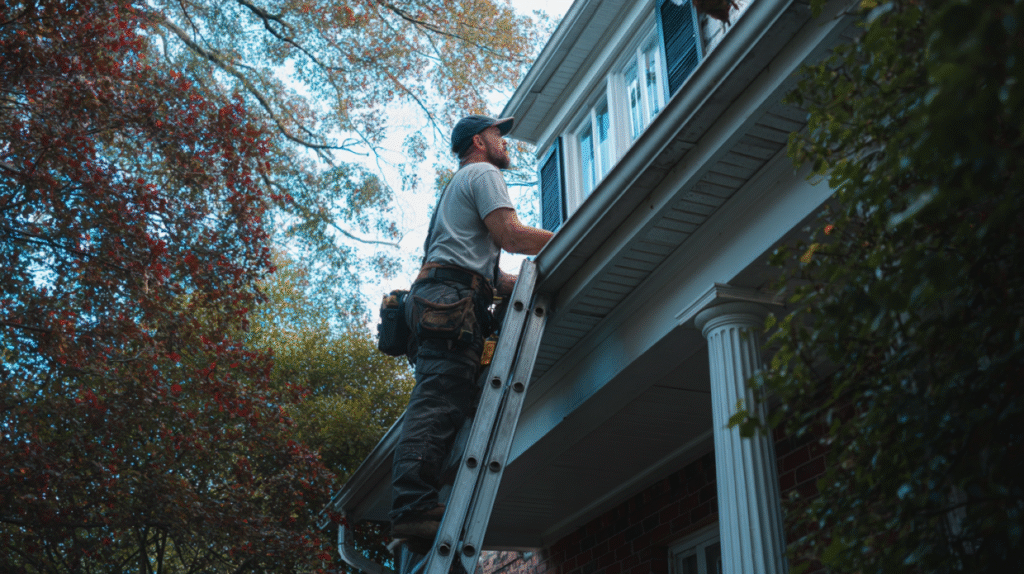
Breaking Down a Roof Maintenance Checklist for Western Slope Homes
Why a Roof Maintenance Checklist Matters After Winter
A roof maintenance checklist is a simple, structured way to evaluate how your roof handled the winter months. On Colorado’s Western Slope, roofs take on snow load, freeze–thaw cycles, strong winds, and sharp temperature swings. Even when everything looks fine from the driveway, small issues can hide in shingles, flashing, or ventilation.
Spring is often when winter damage finally shows itself. Catching those issues early can help protect your home and avoid larger repairs later in the year.
Roofing Problems Usually Start Small
For first-time homeowners, it’s important to know that roofing problems rarely appear all at once. Most begin as minor issues, a lifted shingle, a backed-up gutter, or a cracked seal. These may not cause leaks right away, but spring rain can quickly turn a small weakness into water intrusion.
That’s why routine checks matter. A consistent roofing maintenance checklist helps you spot changes before they become emergencies.
The Three Areas Every Roof Inspection Checklist Should Cover
A thorough roof inspection checklist focuses on three key areas that work together as a system:
- Roof surface: Shingles, flashing, valleys, and penetrations where damage is most likely to occur
- Water management: Gutters, downspouts, and drainage that move water safely away from the roof
- Interior signs: Attic conditions, insulation, and ceiling stains that reveal hidden moisture issues
Looking at all three gives a much clearer picture of overall roof health than any single check on its own.
Why Spring Is the Best Time to Inspect Your Roof
Spring inspections are especially important because winter damage is often delayed. Ice dams, trapped moisture, and shifting materials may weaken the roof without causing immediate leaks. Left unaddressed, those issues can lead to emergency repairs during heavy spring or summer storms.
Addressing concerns early helps protect your home’s structure and keeps small fixes from becoming major expenses.
Building a Smart Maintenance Routine as a First-Time Homeowner
Spring is also the ideal time to establish a long-term maintenance habit. Following a roofing maintenance checklist each year helps first-time homeowners learn what “normal” looks like for their roof.
Once you know that baseline, it becomes much easier to notice changes, ask the right questions, and decide when it’s time to schedule a professional inspection.
Important Factors to Review Before Starting Your Roof Maintenance Checklist
Before climbing a ladder or grabbing binoculars, it helps to know what to look for and when to call in backup.
- Safety first: If you’re not comfortable with heights, stay on the ground. Many checks can be done visually.
- Roof age: Older roofs need closer attention after winter, even if no leaks are visible.
- Weather history: Heavy snow, ice buildup, or windstorms increase the chance of hidden damage.
- Home layout: Valleys, chimneys, skylights, and roof transitions are more vulnerable spots.
- Your comfort level: There’s no downside to scheduling a free roof inspection if something doesn’t feel right.
You don’t need to be an expert. The goal of this roof maintenance checklist is awareness, not perfection.
Spring Roof Maintenance Checklist: Step-by-Step for First-Time Homeowners
Inspect the Roof Surface
- Start by visually scanning the roof from the ground.
- Look for missing, curling, or cracked shingles.
- Check for dark streaks, moss, or algae that indicate moisture retention.
- Watch for sagging areas that could suggest trapped snowmelt or structural stress.
If multiple shingles look damaged or out of place, it’s a good time to call a professional.
Clean and Check Roof Gutters
- Your roof and gutters work as a system. When gutters fail, roofs suffer.
- Remove leaves, twigs, and debris.
- Check for loose fasteners, rust, or cracked sections.
- Make sure downspouts direct water away from the foundation.
Knowing how to clean roof gutters properly prevents water from backing up under shingles during spring storms.
Look for Interior Warning Signs
- Inside your home often tells the real story.
- Check ceilings and walls for water stains or discoloration.
- Inspect the attic for damp insulation, mold smells, or visible moisture.
- Feel for soft spots in attic decking if accessible.
These signs often show up before exterior damage becomes obvious.
Assess Roof Ventilation
- Ventilation protects your roof year-round.
- Ensure soffit and ridge vents aren’t blocked by debris.
- Look for signs of condensation buildup in the attic.
- Notice temperature differences; an overly hot attic can signal airflow issues.
Poor ventilation shortens roof life and increases energy costs.
Inspect Flashing and Roof Penetrations
- Flashing seals the most leak-prone areas.
- Check around chimneys, vents, skylights, and roof edges.
- Look for cracked sealant, rust, or lifted metal.
- Pay close attention to valleys where snow and water collect.
Flashing issues are one of the most common spring repair needs we see.
Examine Roof Attachments
- Anything mounted on the roof deserves a quick check.
- Ensure satellite dishes or solar panels are securely fastened.
- Look for loose brackets or exposed fasteners.
- Clear debris that can trap moisture around mounts.
Trim Overhanging Trees
- Trees and roofs don’t mix well.
- Trim branches that scrape shingles.
- Remove dead limbs that could fall during storms.
- Reduce leaf buildup that clogs gutters and valleys.
Deeper Insight: Why Spring Roof Maintenance Prevents Bigger Repairs
Spring maintenance isn’t just about today; it’s about long-term protection. Small problems compound when moisture gets involved. A lifted shingle can allow water beneath the roof surface, leading to rot, insulation damage, and eventually leaks.
Regular use of a roofing maintenance checklist helps homeowners delay major roof replacement. It also supports insurance documentation, resale value, and warranty compliance.
At Bros Roofing, we often find that roofs needing emergency repairs could have been stabilized months earlier with simple spring attention. That’s why we encourage first-time homeowners to treat maintenance as prevention, not reaction.
Quick Spring Roof Prep Check for First-Time Homeowners
If you want a fast gut-check, ask yourself:
- Did winter storms hit my area hard?
- Do I see shingle damage or gutter overflow?
- Are there interior stains or attic moisture?
- Have my gutters been cleaned recently?
- Has a professional looked at the roof since I bought the home?
If you answered “no” or “not sure” to any of these, a free roof inspection is the easiest next step.