If your roof is already showing granule loss, curling shingles, or soft spots and you live along the Wasatch Front, the answer is usually yes. Waiting until the first heavy snowfall to deal with a roof that’s already failing turns a planned project into an emergency one, often at a higher cost and with fewer contractor slots open. The window to replace a roof safely and correctly closes fast once temperatures drop and snow starts sticking.
This guide covers how to tell the difference between a roof that needs repair now and one that needs full replacement, what the timeline actually looks like for a fall roof replacement in Utah County and the south Salt Lake valley, and what to expect from the process if you decide to move forward before winter.
Key Takeaways
- Shingle roofs showing granule loss, curling, or exposed felt in more than one area usually need replacement, not another round of spot repairs.
- Fall is the best window for roof replacement in Utah: temperatures are moderate enough for proper shingle sealing, and contractors haven’t hit the winter emergency-repair rush yet.
- A straightforward residential shingle tear-off and replacement in the Provo-to-Sandy corridor typically takes one to three days depending on roof size and complexity.
- Waiting until after the first real snow usually means paying rush pricing for emergency tarping and repair instead of a planned replacement.
What Roof Damage Actually Looks Like Before Winter
Most homeowners don’t climb onto their own roof, and they shouldn’t. But there are ground-level and attic-level signs that point to a roof nearing the end of its life rather than one that just needs a patch.
From the ground, look for shingles that are visibly curling at the edges, dark streaking that doesn’t wash off, and granules collecting in gutters or at the base of downspouts. Granules are the protective coating on asphalt shingles, and once a shingle has shed most of its granule layer, it’s no longer protecting the roof deck the way it should. Inside the attic, look for daylight coming through the roof boards, damp insulation, or a musty smell, all of which point to moisture already getting past the shingles.
A roof with isolated damage in one area, like a single cracked shingle from a fallen branch, is usually a repair. A roof with granule loss, curling, or soft decking spread across multiple sections is a replacement conversation.
Age matters here too. Most architectural asphalt shingles are rated for 20 to 30 years, but real-world lifespan in a climate with intense summer sun and heavy winter snow load, like the Wasatch Front, tends to land on the shorter end of that range. A roof approaching 20 years old that’s also showing any of the visual warning signs above is a strong candidate for replacement rather than another repair.
Why Fall Is the Right Window for Roof Replacement in Utah
Asphalt shingles seal properly through a combination of adhesive strips and sun exposure. That sealing process works best in moderate temperatures, generally above 40 degrees Fahrenheit for at least a stretch of the installation window. Once nighttime temperatures along the Wasatch Front start dropping consistently, shingles installed in that cold don’t seal down the way they’re designed to, which can leave a brand-new roof more vulnerable to wind uplift during its first winter than it should be.
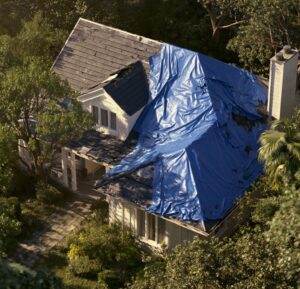
There’s also a scheduling reality. Once the first significant snow hits Utah County and the south Salt Lake valley, roofing crews shift almost entirely to emergency leak repairs, tarping, and snow-load damage response. That’s necessary work, but it means a homeowner who waits until December or January to start a replacement conversation is often waiting weeks for a crew, working around weather delays, and paying rush rates instead of a planned project rate.
Getting a roof replaced in September or October means the work happens on a normal schedule, the shingles seal correctly, and the home is fully protected before the first real snow load arrives.
What a Fall Roof Replacement Actually Involves
A residential shingle roof replacement on a typical single-family home in Provo, Orem, or the surrounding area usually breaks down into a few clear stages.
- Inspection and estimate. A roofer walks the roof, checks the decking underneath for rot or soft spots, and gives a written estimate based on what’s actually found, not just a guess from the ground.
- Material selection. Most homeowners in this climate go with architectural asphalt shingles rated for wind and impact resistance, since the Wasatch Front sees both strong seasonal wind and occasional hail.
- Tear-off and deck inspection. Old shingles come off completely so the crew can check the roof deck itself. Any damaged plywood or OSB gets replaced before new material goes down, since installing new shingles over a compromised deck just hides the problem.
- Underlayment and shingle installation. A proper underlayment layer goes down first for an added moisture barrier, then the new shingles are installed according to manufacturer spec, including proper nailing pattern and sealing.
- Cleanup and final walkthrough. A magnetic sweep for stray nails, gutter check, and a final walkthrough with the homeowner before the crew leaves.
For most homes in the Provo-to-Sandy corridor, this whole process takes one to three days depending on roof size, pitch, and whether decking repairs are needed.
Signs You Can Wait (For Now)
Not every roof needs replacing before winter. If a roof is under 15 years old, has no visible granule loss, and any damage is limited to a small, clearly repairable area, a targeted repair is often the right call instead of a full replacement. Getting an honest inspection matters here. A reputable roofer should be willing to tell a homeowner when a repair is enough, not push a full replacement on a roof that doesn’t need one yet.
The bigger risk is assuming a roof is fine without ever having it looked at. A roof that’s 18 to 25 years old, which is the typical lifespan range for asphalt shingles in this climate, is worth a professional inspection before winter even if nothing looks obviously wrong from the ground.
What Affects the Cost of a Fall Roof Replacement
A handful of factors typically drive the price of a residential shingle roof replacement in Utah County and the south Salt Lake valley: the total square footage of the roof, its pitch (steeper roofs take longer and require more safety equipment), how many layers of old shingles need to be removed, and whether the crew finds decking damage once tear-off starts. Material choice also matters. Standard architectural shingles cost less than impact-resistant or premium shingle lines, but impact-resistant shingles can be worth the difference in a region that sees occasional hail.
Financing is worth asking about too. A full roof replacement is a meaningful expense, and a contractor who offers financing options makes it easier to get the work done before winter instead of delaying it for budget reasons alone.
How to Choose a Roofer for a Fall Replacement in Utah
Since Bros Roofing is newer to the Provo-to-Sandy corridor, a few things are worth checking with any roofer doing this work in Utah County or the south Salt Lake valley:
- Utah licensing. Confirm the contractor holds an active Utah roofing license through DOPL, not just a Colorado or out-of-state license.
- Insurance verification. Ask for proof of liability insurance directly, not just a verbal confirmation.
- A written, itemized estimate. A real estimate breaks down materials, labor, and any decking repair contingency, rather than a single lump-sum number.
- A real physical process. Ask what happens if hidden decking damage is found once tear-off starts, and how that gets communicated and priced before work continues.
Bros Roofing has been a licensed, insured roofing contractor on Colorado’s Western Slope since 2018 and is now bringing that same residential shingle replacement and repair work to the Provo-to-Sandy corridor, backed by Utah licensing through DOPL.
Frequently Asked Questions
How do I know if my roof needs replacing before winter?
Look for granule loss in the gutters, curling or cracked shingles across more than one area of the roof, and any daylight or moisture visible from inside the attic. If more than one of these shows up, it’s worth getting a professional inspection before the weather turns.
How long does a roof replacement take in Utah?
Most residential shingle roof replacements in the Provo-to-Sandy corridor take one to three days, depending on the size of the roof and whether the crew finds decking damage that needs repair once the old shingles come off.
Is it more expensive to replace a roof in winter?
Often, yes. Once snow arrives, roofing crews shift to emergency repairs and tarping, which pushes wait times out and can mean paying rush pricing for work that could have been scheduled calmly in the fall.
What if I only need a repair, not a full replacement?
A qualified roofer should tell you honestly if a repair is enough. Isolated damage on a roof under 15 years old with no widespread granule loss is often a repair job, not a replacement.
Does Bros Roofing serve Utah County and the Salt Lake valley?
Yes. Bros Roofing is licensed in Utah through DOPL and currently serves the Provo, Orem, Lehi, Spanish Fork, and Sandy areas with residential shingle roof replacement and repair.
Get a Free Roof Estimate Before Winter
If your roof is showing any of the warning signs above, don’t wait for the first snowstorm to find out how bad it is. Call Bros Roofing at (970) 975-0927 for a free estimate on your Provo-area home before winter weather makes the decision for you.