Winter mornings on the Western Slope can reveal problems you didn’t know were there. Maybe you notice a damp smell in the house, water spots on the ceiling, or insulation that feels wet, even though it hasn’t rained or snowed. In many homes across Grand Junction, Montrose, and surrounding areas, those signs point to roof condensation, not a roof leak.
Roof condensation happens when warm indoor air meets cold roof surfaces, most often during cold snaps. Condensation inside a roof can quietly cause mold, wood rot, and insulation damage if it goes unchecked. The good news is that once you know what to look for, condensation in the attic is manageable and preventable.
In this guide, Bros Roofing breaks down how to spot roof condensation, why it happens in insulated homes, and what protects your roof long-term.
Key Takeaways
- Roof condensation often looks like a leak, but it usually comes from moisture trapped inside the attic.
- Condensation inside a roof is most common in winter, especially in well-insulated homes with poor ventilation.
- Catching condensation in the attic early helps prevent mold, structural damage, and costly roof repairs.
If you’re unsure what you’re seeing, Bros Roofing is here with honest inspections and clear guidance, no pressure, just help from local experts you can trust.
How Roof Condensation Forms in Insulated Homes
Roof condensation forms when warm, moist air rises from your living space and meets a cold surface, usually the underside of the roof deck. As that warm air cools, it releases moisture in the form of water droplets.
In insulated homes, this happens more often than people expect. Insulation keeps heat inside the home, but if ventilation and air sealing aren’t working properly, moisture can build up above the insulation layer. That’s when condensation inside a roof starts to develop.
On the Western Slope, winter weather makes this more common. Cold nights, sunny days, and wide temperature swings create perfect conditions for condensation in the attic. Homes in places like Palisade, Delta, and Rifle experience this cycle repeatedly through the season.
A small amount of moisture during extreme cold can be normal. Problems start when roof condensation happens regularly or sticks around. Over time, that moisture can soak into insulation, weaken roof decking, rust fasteners, and create conditions for mold.
That’s why spotting condensation early isn’t just about comfort, it’s about protecting your home.
Signs You’re Dealing With Condensation (Not a Roof Leak)
Condensation inside a roof often looks like a leak, which makes it easy to misdiagnose. These signs usually point to condensation in the attic instead:
- Water stains on ceilings during cold weather
- Dripping from bathroom fans, light fixtures, or attic vents
- Damp or compressed attic insulation across large areas
- Mold or mildew on the roof decking or rafters
- A musty smell that’s strongest in winter
Timing is the biggest clue. Roof condensation usually shows up during cold spells. Roof leaks typically appear after rain or snow. If moisture is spread evenly throughout the attic instead of coming from one spot, condensation is often the cause.
When in doubt, a professional inspection can tell the difference quickly and help you avoid unnecessary repairs.
Why Condensation in the Attic Happens
Condensation problems usually come from a few common issues working together:
- Poor Ventilation: Without proper airflow, warm, moist air gets trapped in the attic instead of escaping.
- Insulation Issues: Insulation that’s compressed, missing, or wet can’t stop heat from rising into the attic.
- Air Leaks From Inside the Home: Gaps around attic hatches, bathroom fans, ductwork, and recessed lights let moist air move upward.
- Missing or Damaged Vapor Barriers: Vapor barriers help control moisture movement. When they fail, condensation inside a roof becomes more likely.
These issues show up in older homes and newer builds alike, especially when insulation upgrades weren’t paired with ventilation improvements.
How to Prevent Roof Condensation Before It Gets Worse
Improve Attic Ventilation
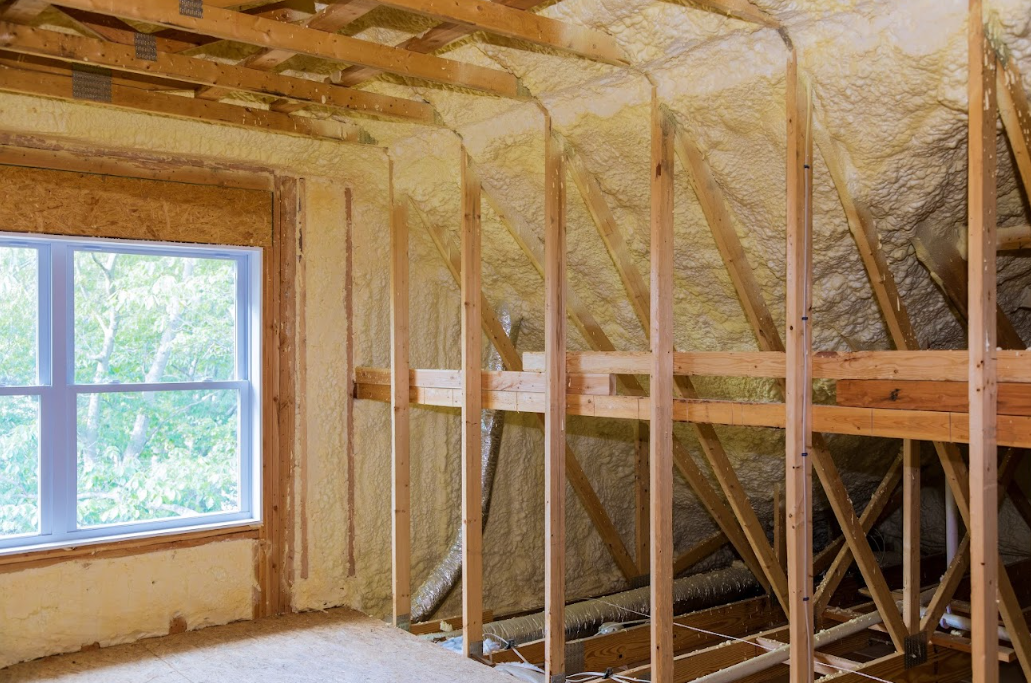
Balanced intake and exhaust ventilation allows warm, moist air to escape and keeps the attic dry. Ridge vents, soffit vents, and other systems need to work together, not just exist.
Seal Air Leaks
Air sealing around attic penetrations keeps moisture where it belongs. This step alone can greatly reduce condensation in the attic.
Check Insulation Condition
Dry, properly installed insulation helps maintain even temperatures. Wet insulation should be replaced promptly.
Address Vapor Barriers
A correctly installed vapor barrier limits moisture transfer and helps prevent recurring condensation inside a roof.
At Bros Roofing, we look at the entire system, roofing, insulation, and ventilation, because condensation problems rarely have a single cause.
Quick Check: Could Your Roof Have Condensation Issues?
Before calling a professional, ask yourself:
- Does moisture appear during cold weather, not storms?
- Is dampness spread across the attic instead of one area?
- Do attic windows fog up, or do nails show frost?
- Does the attic smell musty in winter?
If you answered yes to more than one, roof condensation may be the issue.