Most homeowners think gutters are just there to catch rain. They sit at the edge of the roof, move water away, and don’t get much attention unless they clog or overflow.
But gutter roof integration is more than simple drainage. Your gutters, roof edges, fascia, flashing, and downspouts all work together as one system. When one part struggles, the others are affected.
On the Western Slope, that matters. Snowmelt, spring rain, summer storms, and freeze–thaw cycles all put pressure on roof drainage systems. In this guide, we’ll break down how gutters support gutter roof protection, why water diversion roofing matters, and what to watch before small issues turn into bigger repairs.
Key Takeaways
- Gutter roof integration helps your roof move water off your home safely
- Strong roof drainage systems protect your roof edges, siding, and foundation
- Proper gutter roof protection reduces the risk of leaks, rot, and overflow
If you’re unsure whether your gutters are helping or hurting your roof, contact Bros Roofing today.
How Gutter Roof Integration Actually Works
Your roof does two jobs. It protects your home from weather, and it sheds water.
That water needs a controlled path. This is where gutter roof integration comes in.
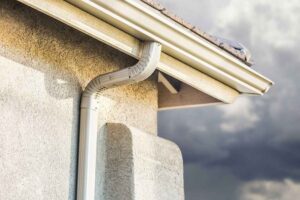
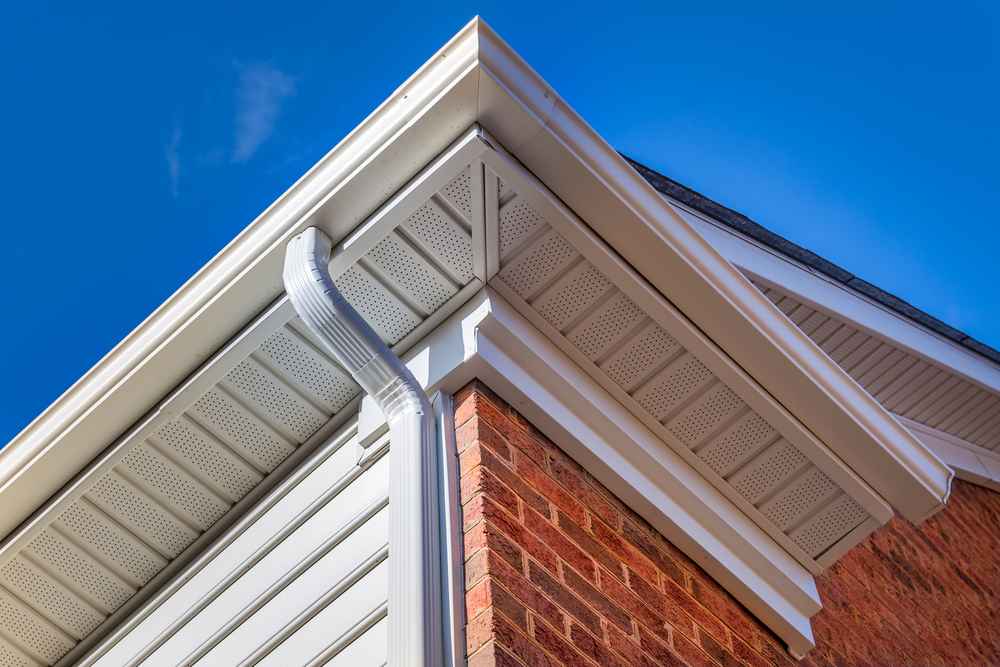
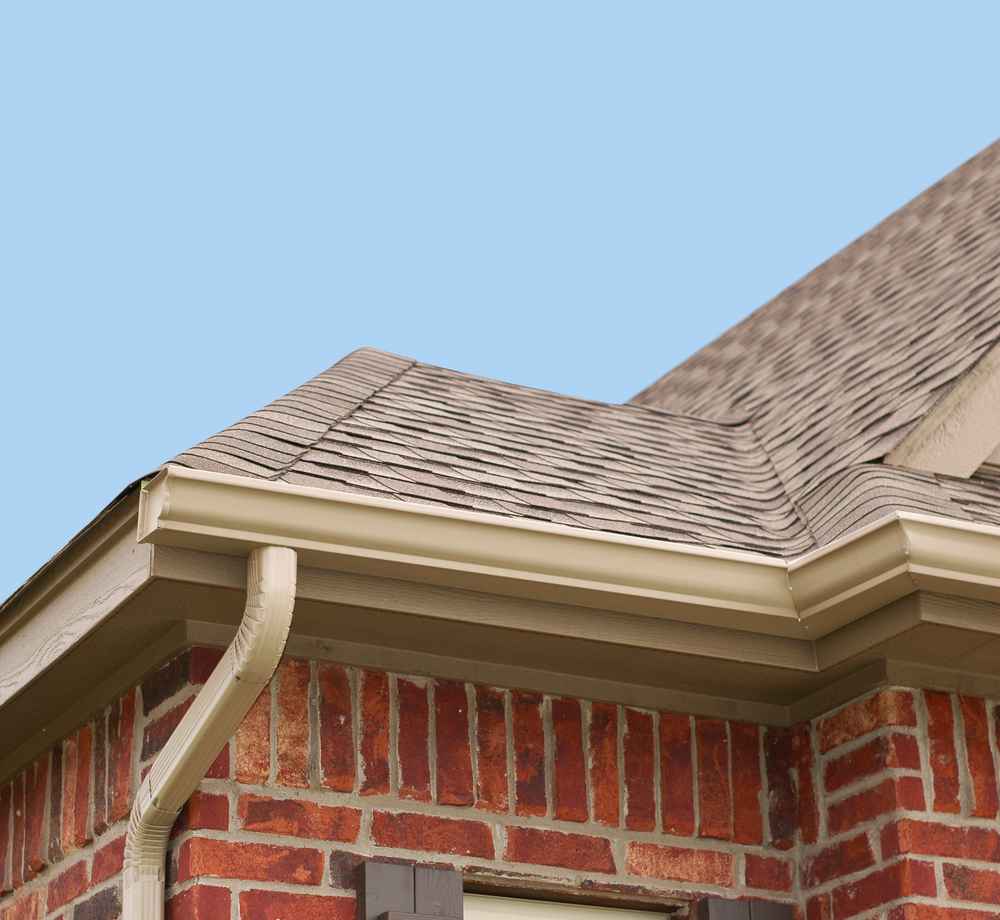
Water flows down your roofing material toward the edge. The drip edge helps guide it. Gutters catch it. Downspouts carry it away from the house. Together, these parts form your home’s roof drainage systems.
When everything works as it should, water moves off your home quickly and safely. When it doesn’t, water starts going where it shouldn’t. It can run behind gutters, soak fascia boards, spill onto siding, or pool near the foundation.
That’s why gutters play a major role in gutter roof protection. They may not be part of the roof structure itself, but they directly affect how the system performs.
Across Grand Junction, Delta, and Montrose, many roof edge issues are actually drainage problems. Homeowners often notice staining, peeling paint, or wood rot near the eaves. The roof surface looks fine, but the real issue is poor water diversion roofing at the edge.
Colorado weather makes this more noticeable. Snow melts during the day and refreezes at night. Heavy rain can overwhelm undersized gutters. Wind can push water into areas it wouldn’t normally reach. If the system isn’t working together, those conditions expose the weak spot fast.
What to Consider Before Repairing or Replacing Gutters
Before making any changes, it helps to look at the full picture.
Start with the age of your system. If your roof is new but your gutters are older, they may not keep up. If your gutters are newer but your roof is aging, the drainage path may still be compromised.
Look at how water behaves during storms. If water spills over the front edge, your roof drainage systems may be clogged, undersized, or pitched incorrectly.
Check how the gutters are attached. If they’re sagging or pulling away, they’re no longer providing strong gutter roof protection. That also increases the chance of damage to fascia and roof edges.
Pay attention to where water ends up. If it pools near your home, your water diversion roofing system isn’t doing its job. Even if the roof looks fine, poor drainage can create long-term issues below.
Finally, consider seasonal patterns. If winter brings icicles, ice buildup, or repeated overflow, the issue may go beyond simple cleaning. It may point to a design or integration problem.
What to Check Around Your Roofline
Start by watching how water leaves the roof. During rain, it should flow cleanly into the gutters. If it runs behind them or spills off the edge, the integration is off.
Check for debris. Leaves, dirt, and granules can block flow and cause overflow even when gutters appear intact.
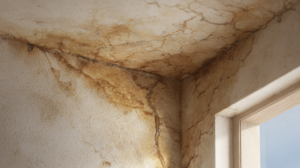
Look closely at the fascia and soffit. Peeling paint, dark spots, or soft wood are signs that moisture has been present longer than it should be.
Pay attention to downspouts. They should carry water away from the home, not dump it at the base. A good drainage system continues past the gutter itself.
If you’re planning roof work, this is also the time to evaluate your gutters. Sometimes they’re fine. Sometimes they’re the weak link in an otherwise solid system.
Where Problems Usually Start
Roof edges are often the first place where issues appear. This is where roofing materials and gutters meet. If water backs up or runs behind the gutter, moisture can slowly damage fascia and decking.
Roof valleys are another common trouble area. They move large amounts of water during storms. If the connected gutter section can’t handle that volume, overflow happens quickly.
Sagging gutters are a major concern. When the slope is lost, water sits longer, increasing weight and stress. Over time, that makes the problem worse.
Downspouts also play a bigger role than most homeowners expect. Even if the gutter catches water properly, poor discharge can still lead to foundation issues.
Older joints and seams can leak quietly over time. These leaks may not be obvious at first, but they still contribute to long-term moisture exposure.
Why This Matters More Than It Seems
A lot of people think of gutters as optional. They’re not.
Strong gutter roof integration protects more than your roof. It helps protect siding, trim, windows, landscaping, and your foundation.
It also affects how long your roof lasts. When water isn’t managed properly, it stays in places it shouldn’t. That increases wear on roof edges and nearby materials.
In colder months, poor drainage can also contribute to ice-related issues along the eaves. While gutters aren’t the only factor, weak gutter roof protection often makes these problems worse.
Most importantly, proper water diversion roofing helps prevent expensive repairs. It’s easy to delay gutter work because it doesn’t seem urgent. But drainage issues can lead to damage far beyond the gutter itself.
The Simple Way to Think About It
Gutters may not be structural roofing components, but they are essential to how your roof performs.
If you want to evaluate your system, start here:
- Water pours over the gutter edge during rain
- Gutters pull away from the house
- Paint or wood near the eaves shows damage
- Water pools near your foundation
- Ice or overflow happens every winter
- A roof replacement is coming up
These are all signs that gutter roof integration may need attention.
Take Care Of Your Gutters Today
Your roof and gutters are separate systems, but they depend on each other.
When gutter roof integration works properly, your home stays protected. Water moves off the roof, through the gutters, and away from the structure without causing damage.
When it doesn’t, small issues build over time.
Strong roof drainage systems, reliable gutter roof protection, and effective water diversion roofing all work together to protect your home from top to bottom.
Taking a little time to evaluate how those pieces work together can help you avoid bigger problems down the road. Schedule your free estimate today.