You fix the leak. The ceiling dries. Operations resume.
Then six months later, water shows up again, somewhere new.
Across the Western Slope, we see it often in Grand Junction and Montrose commercial properties. The initial repair addressed the obvious issue, but deeper commercial roof weak points were never evaluated. Those overlooked roof damage areas quietly continued to deteriorate.
In this guide, we’ll break down the flat roof problem areas most contractors miss, why certain roof failure zones keep coming back, and how to protect your building with a proactive strategy.
At Bros Roofing, we help business owners protect their properties with thorough inspections and long-term solutions built for Colorado weather.
Key Takeaways
- Many recurring leaks stem from commercial roof weak points not included in basic repairs.
- Flat roof problem areas often involve drainage, penetrations, and perimeter details.
- Addressing overlooked roof damage early prevents costly operational disruptions.
If you manage a commercial property on the Western Slope, understanding these roof failure zones can save thousands in future repairs.
Breaking Down Commercial Roof Weak Points Before They Become Roof Failure Zones
Commercial roofing systems differ significantly from residential roofs.
Flat and low-slope systems rely heavily on:
- Proper drainage
- Membrane integrity
- Secure flashing at penetrations
- Consistent maintenance
When standard repairs focus only on visible leaks, deeper flat roof problem areas may remain untouched.
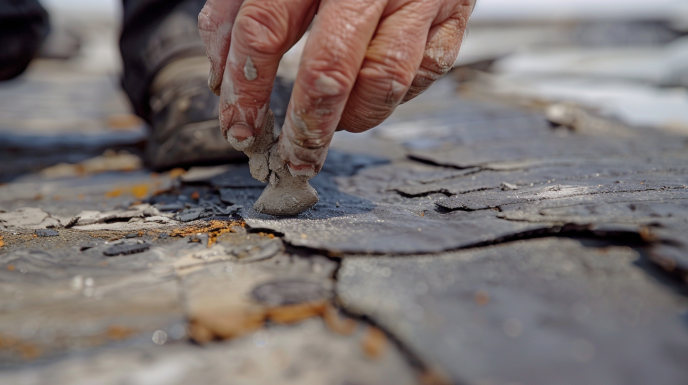
For example, patching a membrane tear without checking the underlying wet insulation often results in repeated leaks. Similarly, resealing flashing without correcting thermal movement leaves the same roof failure zone vulnerable.
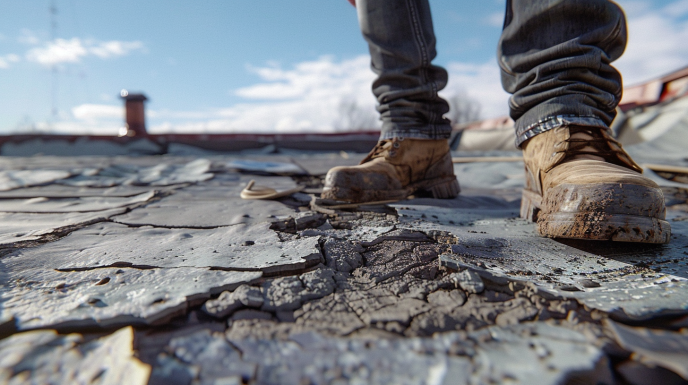
On the Western Slope, snow load and freeze–thaw cycles intensify stress on these commercial roof weak points. Water infiltrates small gaps, freezes overnight, and expands, widening seams and weakening fasteners.
Understanding these underlying issues is the first step toward preventing overlooked roof damage from spreading.
Important Factors to Consider Before Repairing Commercial Roof Weak Points
Before authorizing another patch repair, ask the right questions.
- Drainage Design: Does your flat roof slope properly toward drains? Ponding water accelerates membrane breakdown.
- Penetration Count: How many HVAC units, vents, and solar penetrations exist? Each one is a potential roof failure zone.
- Insulation Condition: Has anyone tested for saturated insulation beneath the membrane?
- Maintenance History: Are inspections documented twice yearly?
- Wind Exposure: Are perimeter edges reinforced against Colorado wind events?
If multiple flat roof problem areas are present, a localized patch may not solve the larger system issue.
Our commercial roofing repair services focus on full-system evaluations, not surface-only fixes.
The Most Overlooked Flat Roof Problem Areas in Commercial Buildings
Perimeter Edges and Termination Bars Often Loosen First
Edges experience the highest wind uplift pressure. Over time, fasteners loosen and sealant cracks. These commercial roof weak points frequently go unnoticed until interior leaks appear.
Drain Basins Become Hidden Roof Failure Zones
Clogged or poorly sloped drains cause ponding water. Water that sits longer than 48 hours degrades membranes and increases structural load.
Equipment Curbs Hide Overlooked Roof Damage
HVAC installations create repeated penetrations. Improper flashing or vibration loosens seals, turning these areas into chronic flat roof problem areas.
Seams and Laps Separate Gradually
Thermal expansion and contraction stress membrane seams. Small separations allow water intrusion beneath the surface, spreading insulation damage before leaks show indoors.
Previous Repairs Can Mask Underlying Moisture
Layered patches trap moisture in insulation. Without infrared scanning or core sampling, these roof failure zones continue deteriorating below the membrane.
These weak points are rarely included in basic service calls, but they determine whether repairs truly last.
What Actually Causes Commercial Roof Weak Points to Worsen
Freeze–Thaw Cycles Accelerate Membrane Fatigue
Western Colorado’s temperature swings place repeated stress on seams and flashing. Materials expand during the day and contract overnight.
Foot Traffic Damages Flat Roof Problem Areas
Maintenance crews accessing HVAC units can puncture membranes without proper walkway pads.
Deferred Maintenance Compounds Overlooked Roof Damage
Small cracks and clogged drains seem minor, until they aren’t. Delay often turns minor repairs into structural concerns.
Improper Initial Installation Creates Hidden Roof Failure Zones
Inadequate fastening, poor slope design, or incompatible materials can create systemic vulnerabilities from day one.
When multiple factors combine, commercial roof weak points deteriorate faster than expected.
Proactive Strategies That Strengthen Commercial Roof Weak Points
A reactive approach increases costs. A proactive plan extends roof life.
Consider implementing:
- Quarterly inspections: Identify flat roof problem areas before they leak.
- Infrared moisture scanning: Detect wet insulation beneath the surface.
- Drainage maintenance plans: Keep scuppers and drains debris-free.
- Walkway protection systems: Reduce membrane punctures from foot traffic.
- Perimeter reinforcement: Improve wind resistance along edges.
Routine inspections transform roof management from crisis response to predictable budgeting.
If you’re unsure where your commercial roof’s weak points are, schedule a comprehensive inspection with our team.