It usually starts with a quick fix.
A small leak shows up after a storm in Grand Junction. Someone patches it, seals it, or throws on a tarp. Problem solved, for now.
But a few months later, the same spot leaks again. Or worse, a new one shows up nearby.
That’s the difference between temporary roof repairs and real solutions. One buys time. The other solves the problem.
On the Western Slope, where wind, hail, and freeze–thaw cycles push roofs hard, knowing the difference between short-term roof fixes and a permanent roof repair can save you a lot of money over time.
At Bros Roofing, we help homeowners understand what’s actually happening, not just what’s visible, so you can protect your home with confidence.
Key Takeaways
- Temporary roof repairs are useful for immediate protection, but rarely solve the root issue
- Repeated short-term roof fixes often cost more than one proper repair
- Strong roofing repair quality comes from fixing the source, not just the symptom
If you’re dealing with a recurring leak or recent storm damage, this is one decision that really matters.
What Temporary Roof Repairs Actually Do (And Don’t Do)
Let’s be clear, temporary roof repairs have their place.
They’re designed to stop active water intrusion quickly. That matters when a storm just passed through Montrose or Delta, and water is getting inside your home.
Common examples include:
- Tarping a damaged section
- Sealing a visible crack or gap
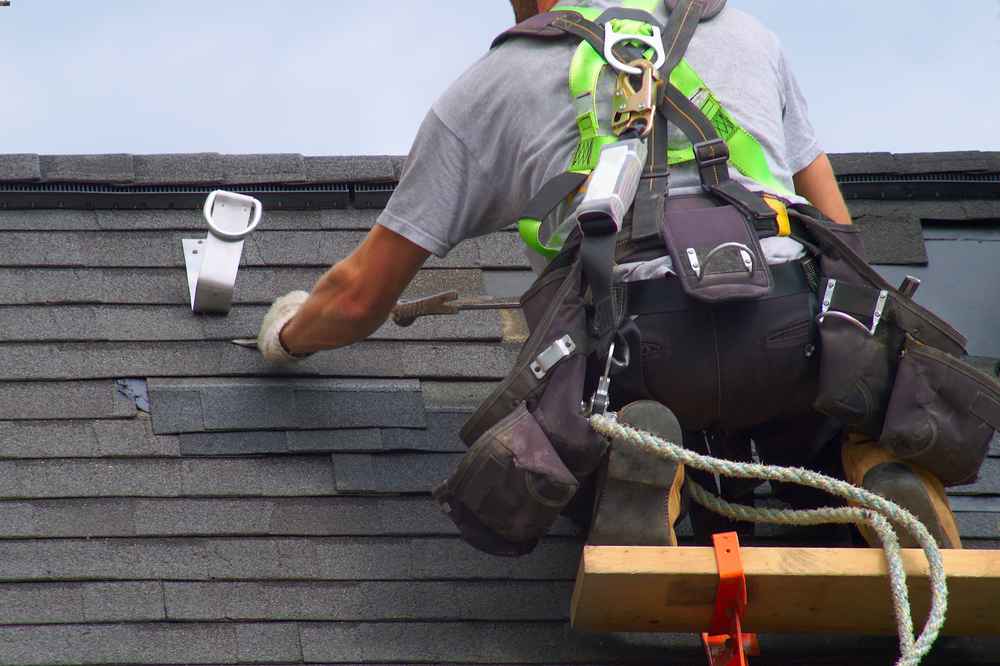
- Patching shingles after wind damage
- Applying temporary coatings or sealants
These short-term roof fixes are meant to protect your home right away. They reduce immediate damage and give you time to plan next steps.
But here’s the catch: they don’t address the full problem.
Water doesn’t always enter where you see the leak. It travels. It moves through layers of your roofing system before showing up inside. If the actual source isn’t found, the problem is still there.
That’s why temporary fixes often lead to repeat calls.
Why Short-Term Roof Fixes Often Cost More Over Time
At first glance, temporary repairs seem like the cheaper option.
And sometimes they are, in the moment.
But when leaks return, costs add up quickly:
- Multiple service visits
- Interior repairs from recurring water damage
- Additional material replacement
- Extended exposure to moisture
A $500 patch done three times is no longer a $500 problem.
This is where roofing repair quality becomes the difference-maker. A proper repair focuses on the cause, not just the visible damage.
Across the Western Slope, we often see homes where previous repairs covered symptoms instead of solving them. Over time, that leads to bigger repair scopes than necessary.
Fixing it right the first time usually costs less than fixing it three times.
When Temporary Roof Repairs Make Sense
Not every situation calls for a full repair right away.
There are times when temporary roof repairs are the right move.
After Severe Weather
If a storm causes sudden damage, immediate protection matters. Tarping or sealing prevents water from getting inside while a full inspection is scheduled.
Active Leaks
If water is entering your home, stopping it quickly is the priority. A temporary fix buys time.
Scheduling or Material Delays
Sometimes, weather, materials, or timing prevent immediate permanent work. In those cases, short-term protection helps bridge the gap.
Insurance Processes
When dealing with claims, temporary repairs can prevent further damage while documentation and approvals are completed.
In all of these cases, temporary repairs serve a purpose, but they should always be followed by a plan for a permanent roof repair.
What a Permanent Roof Repair Actually Looks Like
A real repair goes deeper.
Instead of focusing only on where the leak shows up, a permanent roof repair focuses on where the problem started.
That usually involves:
- Full inspection of the roofing system
- Identifying the actual entry point
- Removing damaged materials
- Repairing or replacing underlying components
- Reinstalling materials according to manufacturer’s standards
This is where roofing repair quality matters most.
For example, if flashing around a vent has failed, sealing the surface may stop the leak briefly. But replacing and properly installing that flashing solves the issue long-term.
The goal is not just to stop the leak today, it’s to prevent it from coming back next season.
How to Tell the Difference Between a Patch and a Real Fix
If you’re not sure what type of repair you’re being offered, here are a few things to look for:
- Is the source identified? A real repair explains where water is entering, not just where it’s showing up
- Are materials being removed or just covered? Covering damage is usually temporary
- Is the surrounding area inspected? Leaks often affect more than one spot
- Are manufacturer guidelines followed? This impacts durability and warranties
- Have you been given a long-term solution? Not just a quick fix
A trustworthy contractor will walk you through the problem clearly and explain your options without pressure.
At Bros Roofing, we focus on giving you the full picture so you can make the right decision for your home.
Why Colorado Weather Exposes Temporary Fixes Quickly
Here’s the reality: Colorado weather doesn’t give temporary repairs much time to hold.
Between:
- High winds
- Hail impact
- Rapid temperature swings
- Snow and ice cycles
Small weaknesses get tested fast.
A patch that might last longer in a milder climate can fail quickly here. That’s why short-term roof fixes often show their limits sooner on the Western Slope.
This doesn’t mean temporary repairs are bad; it just means they shouldn’t be mistaken for a long-term solution.
How to Avoid the Cycle of Repeat Repairs
If you’ve already had multiple repairs in the same area, it’s time to take a different approach.
Here’s what helps:
- Request a full inspection: Not just a surface check
- Ask about root causes: Not just visible damage
- Avoid stacking patches: They often hide deeper issues
- Plan for long-term solutions: Even if timing requires a phased approach
- Work with certified professionals: Experience matters for lasting repairs
Breaking the cycle usually starts with proper diagnosis.