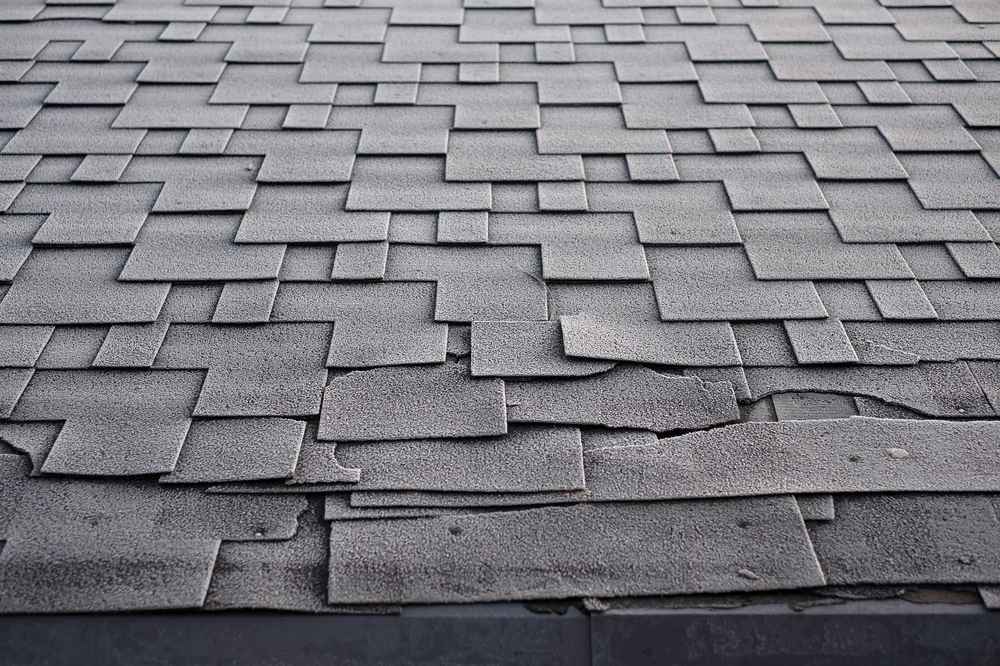
You spot a ceiling stain after a storm in Grand Junction and assume the leak is right above it. That would be simple, but with roof leak pathways, it rarely works that way.
Most water intrusion roofing issues start in one location and show up somewhere else. By the time you see a stain or drip, roof water movement has already carried moisture through your roofing system.
This guide explains how water travels, why leak source identification matters, and how to avoid repeat repairs. At Bros Roofing, we help Western Slope homeowners protect their homes with clear answers and solutions built for Colorado weather.
Key Takeaways
- Roof leak pathways often carry water several feet from the entry point
- Water intrusion roofing usually begins at flashing, vents, or valleys
- Proper leak source identification prevents repeat leaks and hidden damage
If you’re unsure what’s happening above your ceiling, Bros Roofing is here to help.
How Roof Leak Pathways Actually Work Inside Your Roof
A roof leak doesn’t behave like a dripping faucet. Water doesn’t fall straight down; it moves.
Your roof is a layered system: shingles, underlayment, decking, insulation, and framing. Once water intrusion roofing begins, moisture follows the path of least resistance.
That means roof water movement can carry water:
- Along rafters
- Beneath underlayment
- Through insulation
- Across decking
This is why the stain you see is often not where the leak started.
On the Western Slope, freeze–thaw cycles make this worse. Water enters a small gap, freezes overnight, expands, and slowly widens the entry point. Over time, that small issue becomes a larger hidden problem.
If repairs only target the visible stain, the true source stays open. That’s how repeat leaks happen.

What to Consider Before Fixing Roof Leak Pathways
Before jumping into a repair, take a step back and evaluate the situation.
- Stain Location: Top-floor stains are more likely tied to roof leak pathways than plumbing
- Recent Weather: Hail, wind, or snowmelt often trigger water intrusion roofing issues
- Roof Age: Older roofs are more prone to hidden entry points
- Attic Signs: Damp insulation or musty smells are strong indicators of roof water movement
- Repair History: Repeat leaks usually mean the source was missed
This is where professional inspection matters. A proper residential roof repair assessment focuses on the full system, not just the symptom.
How to Track Roof Leak Pathways Step by Step
Step 1: Start With Interior Clues
Look for stains, bubbling paint, or soft drywall. Document when they appear, especially after storms.
Step 2: Check the Attic
Use a flashlight on a dry day. Look for:
- Dark streaks on decking
- Damp insulation
- Rusted nails
- Light coming through
These help with leak source identification.
Step 3: Inspect Common Entry Points
Most leaks begin at weak spots:
- Chimneys and vents
- Skylights
- Roof valleys
- Pipe penetrations
- Edges and gutters
These are the most common roof leak pathways.
Step 4: Match Interior to Exterior
The leak may be several feet uphill from the stain. Always think in terms of water flow, not straight lines.
Step 5: Avoid Surface-Only Repairs
Patching the visible area without tracing the source often leads to repeated leaks.
If the issue followed a storm, checking local weather timing through the National Weather Service can help connect damage to conditions.
Where Roof Leak Pathways Usually Begin
Flashing Around Penetrations
Flashing seals around chimneys, vents, and skylights. Over time, it cracks or separates, creating entry points for water intrusion into the roofing.
Roof Valleys
Valleys carry high water flow. Small defects here can quickly turn into major leak pathways.
Vent Boots and Seals
Rubber vent boots dry out and crack with age, making them a common source of leaks.
Roof Edges and Gutters
Clogged gutters can force water under shingles, especially during heavy rain or snowmelt.
Previous Repair Areas
Old patches can fail underneath, allowing roof water movement to continue unnoticed.
Why Roof Leak Pathways Lead to Bigger Problems
Small Stains Can Mean Larger Damage
A ceiling stain might look minor, but water may have spread across insulation and decking before becoming visible.
Moisture Affects More Than the Roof
Ongoing water intrusion in the roofing can lead to:
- Mold growth
- Wood rot
- Damaged insulation
- Electrical risks
Incorrect Repairs Lead to Repeat Leaks
Without proper leak source identification, repairs only address the symptom. Water finds another path, and the problem returns.
Colorado Weather Accelerates Damage
Wind, UV exposure, and freeze–thaw cycles all stress roofing materials. That makes accurate diagnosis even more important on the Western Slope.
The Simple Truth: Follow the Path, Not the Stain
The stain is where water ended up, not where it started.
Here’s a quick way to think about it:
- Stain after a storm: Likely tied to roof leak pathways
- Musty attic smell: Indicates hidden moisture
- Leak near vents or chimneys: Check flashing first
- Recurring leak: Source wasn’t properly fixed
- No visible damage above stain: Water traveled
You don’t have to guess. A professional inspection can map the full path and stop the problem at its source.