When winter settles across the Western Slope, the snow transforms Grand Junction into something out of a postcard. But as beautiful as it is, that snow sitting on your roof isn’t just decoration; it’s extra weight your home has to carry.
At Bros Roofing, we’ve seen what happens when snow piles up faster than it melts. A few inches here and there might seem harmless, but once that load builds, your roof can start showing signs of strain.
Before the next big storm, it’s worth asking: how much weight can your roof hold before things go from cozy to concerning?

Each freeze-thaw cycle increases density, turning light powder into heavy, icy layers. Even if your roof handled last week’s snowfall, one warm afternoon followed by a cold night can double the stress overnight.
That’s why homeowners need to think beyond inches of accumulation. The real question isn’t “how deep is it?”, it’s how heavy is it now?
Key Takeaways
- What factors determine how much weight your roof can hold safely.
- How to calculate how much snow weight a roof can hold before stress or damage occurs.
- How to prevent snow buildup, ice dams, and structural strain this winter.
How Much Weight Can a Roof Hold in Colorado’s Winter?
Most roofs are designed to support about 20 pounds of snow per square foot. But that number changes based on your roof’s age, slope, material, and how the snow behaves after it falls. Plus, it isn’t always easy to figure out how much the snow weighs. That means a mix of new snow, old snow, and ice can quickly push your roof past safe limits, sometimes reaching 60 pounds per square foot or more. That’s three times what most roofs can handle. Here on the Western Slope, fluctuating temperatures can make this even trickier. Snow that melts during the day and refreezes overnight gets denser and heavier, creating hidden stress points across your roof. If you’ve ever wondered how much weight will a roof hold, the answer depends on more than the snow itself; it depends on how prepared your roof is before the storm hits.What Factors Affect How Much Weight a Roof Can Support?
Every roof has a different snow load capacity. Here’s what determines how much weight your home can safely handle.Roof Pitch and Design
Steeper roofs naturally shed snow faster, reducing buildup and pressure. Flat or low-pitched roofs tend to collect snow and ice, especially during temperature swings that cause melt-and-freeze cycles.Roofing Material
- Metal roofing: Best for snowy climates, snow slides right off.
- Slate roofing: Exceptionally strong and built to withstand heavy weight.
- Asphalt shingles: Reliable, but can trap snow and form ice dams if ventilation or insulation is poor.
Roof Age and Structural Health
Older roofs or those that have already sustained damage can lose some of their load-bearing strength. If you’ve had leaks, sagging areas, or cracked rafters in the past, it’s best to have your roof inspected before the season’s first big storm.Local Building Standards
In Colorado, building codes vary by region. Homes in higher elevations, like those near the Grand Mesa or Glenwood Springs, are built for heavier snow loads than those in Grand Junction. If you’re unsure how your home measures up, our team can assess how much weight your roof can support and recommend any reinforcements if needed.
How to Prevent Snow Load Problems Before They Start
Heavy snow doesn’t have to spell trouble. A little preventive care can actually make all the difference in protecting your roof and your home.1. Safely Remove Excess Snow
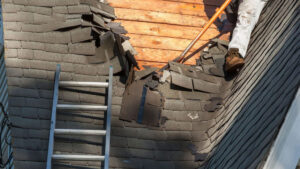
If snow piles higher than two feet, it’s time to lighten the load. Use a long-handled roof rake to pull snow down from the edges while standing safely on the ground. Ladder falls are more common than you may think, so never climb a ladder or step onto an icy roof; it’s not worth the risk.2. Watch for Warning Signs
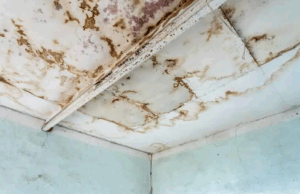
Sagging ceilings, popping sounds, or sticking doors can all be signs that your roof is under too much weight. If you notice these, step outside and call a professional right away.3. Keep Gutters and Downspouts Clear
Blocked gutters trap melting snow and refreeze it into ice dams. Regularly clearing them or installing gutter guards helps water flow freely away from your roofline.4. Improve Attic Insulation and Ventilation
A well-ventilated attic keeps your roof’s surface temperature consistent, which reduces melting and refreezing. It’s one of the simplest ways to prevent ice dams and added weight from forming.5. Schedule a Professional Roof estimate
Before the snow season peaks, have your roof checked by a local roofing expert. At Bros Roofing, we inspect for hidden weaknesses and make sure your roof is strong enough to handle Colorado’s winter conditions with confidence.The Science Behind Snow Weight and Roof Stress
It’s easy to underestimate how heavy snow can be. The weight of snow per cubic foot depends on density, and that changes fast in our climate.Snow Load Comparison: Weight and Risk Levels
| Type of Snow | Approx. Weight per Cubic Foot | Risk Level |
|---|---|---|
| Dry, powdery snow | 3–7 lbs | Low |
| Wet, compacted snow | 15–21 lbs | Moderate–High |
| Packed snow | 20–25 lbs | High |
| Ice | 52–62 lbs | Very High |