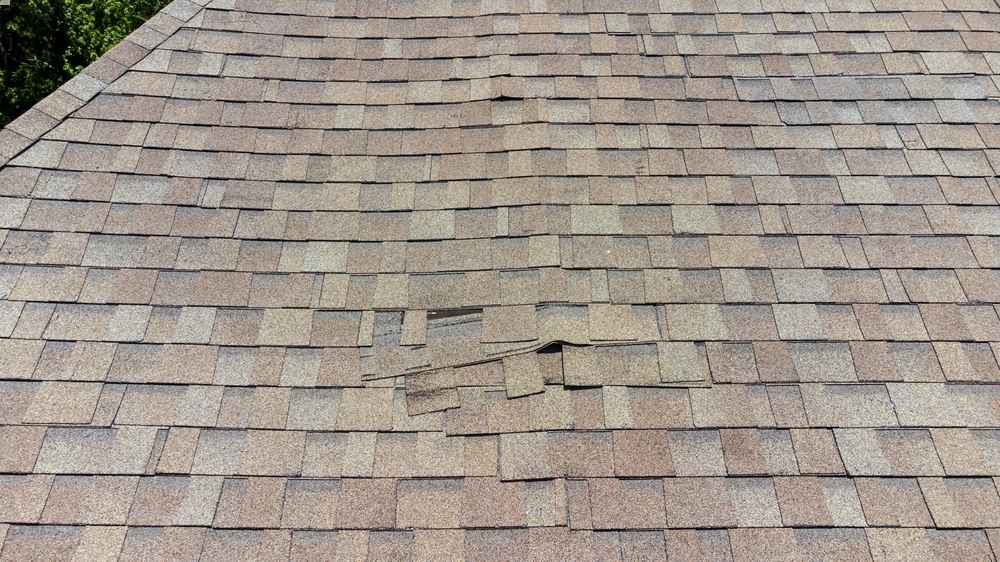
On the Western Slope, we see it every year. A homeowner in Grand Junction or Montrose notices a small stain on the ceiling and thinks, “That’s new.” What they don’t realize is that the problem probably started months ago.
Hidden roof damage rarely makes a grand entrance. It develops quietly. A loose shingle after a windstorm. Minor hail bruising. A cracked vent boot. Then one day, water shows up indoors.
At Bros Roofing, we help homeowners across Delta, Clifton, and beyond catch these issues early, before a silent roof leak turns into drywall, insulation, and framing repairs.
Key Takeaways
- Hidden roof damage often begins long before you see interior stains.
- Silent roof leaks and roof moisture intrusion typically worsen after storms and freeze–thaw cycles.
- The best protection is a proactive inspection from local experts you can trust.
If you’re unsure what’s happening above your ceiling, we’re here to help you protect your home with honest answers and clear next steps.
How Hidden Roof Damage Happens in Western Colorado
Let’s break this down in simple terms.
Your roof is built to handle Colorado weather. But snow load, hail, high winds, and sharp temperature swings test it year after year. Over time, small weaknesses form.
A lifted shingle might not leak today.
A flashing seam might not drip tomorrow.
But give it one more heavy rain or spring thaw, and that small issue becomes roof moisture intrusion.
That’s how silent roof leaks begin.
Water doesn’t always pour in right away. It can soak into decking, insulation, or framing slowly. This is what we call an unnoticed roof failure, damage happening out of sight.
By the time water stains appear inside, the roof moisture intrusion has usually been active for weeks or months.
And here on the Western Slope, freeze–thaw cycles make it worse. Water seeps into a tiny crack, freezes overnight, expands, and widens the gap. Repeat that a few dozen times, and you’ve got real damage.
Why Western Slope Weather Speeds Things Up
Living in Grand Junction, Delta, or Montrose means your roof sees all four seasons in full force. One week it’s dry and sunny. Next, you’re dealing with wind-driven rain or late-season snow.
That constant shift puts stress on roofing materials. Shingles expand in the heat and contract in the cold. Metal flashing flexes. Sealants dry out under strong UV exposure. Each movement is small, but over the years, those tiny changes create opportunities for water to slip in.
Hail is another common trigger for hidden roof damage here. Even when hail doesn’t punch visible holes, it can bruise shingles and loosen protective granules. The surface still looks intact from the ground, but its ability to shed water has been reduced.
And because Western Colorado is relatively dry compared to other parts of the country, leaks can go unnoticed longer. A small amount of moisture may evaporate before you ever see a drip, allowing the problem to continue quietly inside the roofing system.
This is why we always say: it’s easier to protect your home early than repair it later.
A simple inspection after a storm, or once a year as part of routine maintenance, can catch silent roof leaks before they turn into interior repairs. Protecting your home starts with knowing what’s happening above your ceiling.
Subtle Signs Your Roof May Be Failing Quietly
You don’t need to climb up on your roof to spot early trouble. In fact, most hidden roof damage leaves clues at ground level or inside your home first.
Here are the quiet warning signs we recommend Western Slope homeowners keep an eye on.
Granules in Your Gutters
After a hailstorm or a windy afternoon in Grand Junction, it’s normal to see a little debris in your gutters. But if you notice a heavy buildup of sand-like granules near downspouts, that’s worth paying attention to.
Those granules are the protective outer layer of your shingles. When they start shedding in large amounts, it often means the shingles took impact damage or are aging faster than expected. That kind of wear can lead to hidden roof damage and eventually allow water to work its way underneath.
Granule loss doesn’t always mean roof replacement. But it does mean your roof may need a closer look before the next big rain.
Ceiling Discoloration or Faint Stains
Even a small yellow or brown spot on the ceiling can signal roof moisture intrusion. And here’s the important part: by the time you see a stain, water has usually been traveling for a while.
Water rarely drips straight down. It moves along rafters and decking before showing up inside. What looks like a tiny cosmetic issue could actually be a developing, silent roof leak.
If you notice new discoloration, peeling paint, or bubbling drywall, it’s smart to act early. Catching moisture before it spreads protects insulation, framing, and drywall.
A Musty Smell in the Attic
Sometimes your nose tells you before your eyes do.
A damp, musty odor in the attic often points to trapped moisture. That moisture may come from poor ventilation, minor flashing gaps, or slow, silent roof leaks that haven’t yet made their way into living areas.
If insulation feels damp or you see darkened roof decking, you may be dealing with an unnoticed roof failure that’s been quietly progressing over time.
Attics should feel dry and neutral, not humid or earthy.
Loose Flashing or Cracked Vent Boots
Flashing and vent boots are small components that do big jobs. They seal around chimneys, vents, skylights, and roof penetrations to keep water out.
Over time, Colorado’s temperature swings cause metal flashing to expand and contract. Rubber vent boots dry out and crack under UV exposure. Once that seal weakens, water finds its way in.
These areas are some of the most common sources of unnoticed roof failure because they often don’t look dramatic from the ground. But they’re frequent entry points for roof moisture intrusion.
The good news? These are often repairable when caught early.
Sagging or Uneven Areas Along the Roofline
Stand back from your home and look along the roofline. It should appear straight and consistent.
If you notice subtle dips or sagging sections, that could mean moisture has been trapped in the decking beneath the shingles. Over time, that trapped moisture softens wood and weakens structural support.
Sagging doesn’t always mean major structural failure, but it can signal advanced hidden roof damage if ignored.
This is one of those signs that deserves professional evaluation right away.
If you notice one of these signs, it doesn’t automatically mean you need roof replacement. But it does mean your roof deserves a closer look.
And that’s where a professional inspection makes a real difference. Catching silent roof leaks early is always more affordable and far less stressful than repairing interior damage later.
Step-by-Step: How to Check for Silent Roof Leaks Safely
Before anything else, let’s be clear: your safety comes first.
No climbing icy roofs. No walking steep slopes. No risky ladder setups.
Most silent roof leaks leave clues you can spot from the ground or inside your home.
Step 1: Walk the Perimeter of Your Home
Start with a slow walk around your house. You’re not looking for dramatic damage, you’re looking for subtle changes.
From the ground, check for:
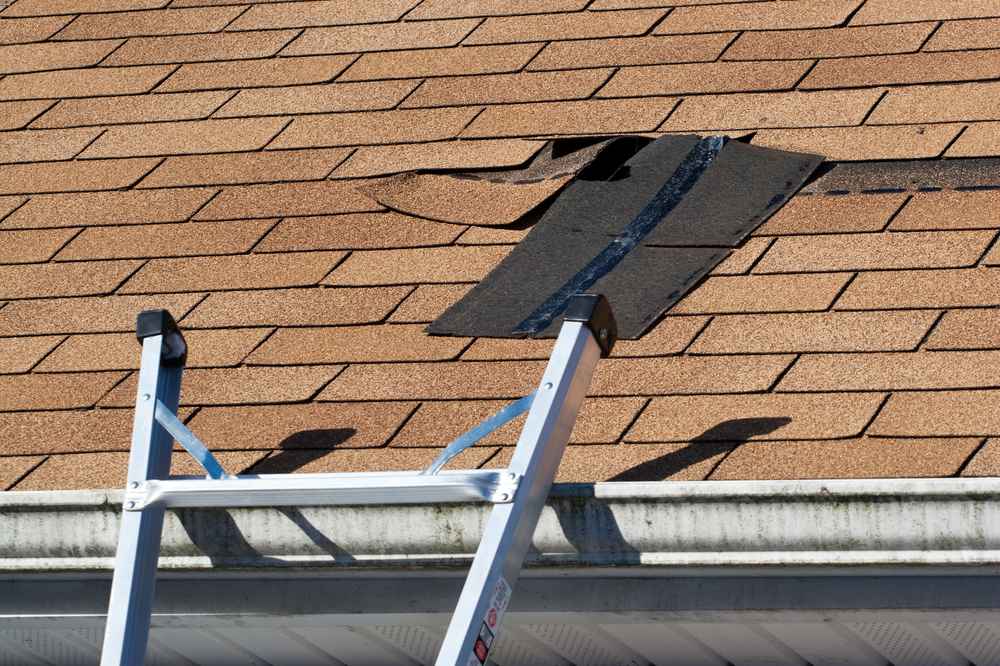
- Missing, lifted, or curled shingles
- Dented roof vents or metal caps
- Shingles that look darker or uneven
- Debris buildup in roof valleys
- Shingle pieces in the yard after the wind
If you have binoculars, use them. They’re much safer than climbing.
Pay special attention to roof valleys and areas around chimneys and vents. These are common spots where hidden roof damage begins. Hail, bruising, lifted shingles, or cracked sealant may not cause an immediate leak, but they weaken the system.
If you use a ladder, only do so on stable, dry ground and never climb onto the roof itself.
Step 2: Check the Attic on a Dry Day
Silent roof leaks almost always show up in the attic before they reach your living room.
Choose a dry, sunny day and grab a flashlight.
Look for:
- Dark or soft spots on the roof decking
- Damp or compressed insulation
- Rust on nails sticking through dethe cking
- Light shining through areas where it shouldn’t
- A musty or humid smell
These are strong indicators of roof moisture intrusion.
Even small amounts of moisture trapped in insulation can lead to mold, wood rot, or long-term structural weakening. Many cases of unnoticed roof failure begin with attic moisture that homeowners never see.
If insulation feels cool and slightly damp to the touch, that’s not normal. It’s worth evaluating.
Step 3: Inspect Your Gutters and Downspouts
Your gutter system is your roof’s drainage line. When it fails, water backs up, and water always finds a way in.
Check for:
- Heavy granule buildup in gutters
- Clogged or overflowing sections
- Loose hangers or pulling away from the fascia
- Downspouts are draining too close to the foundation
Clogged gutters can force water under shingles, especially during heavy rain or snow melt. That’s one of the most common causes of silent roof leaks on the Western Slope.
Sometimes it’s not the roof itself, it’s poor drainage creating roof moisture intrusion.
If anything looks questionable, don’t wait. Early evaluation is almost always less expensive than late repair.
Why Ignoring Hidden Roof Damage Gets Expensive
The biggest risk of silent roof leaks isn’t the ceiling stain.
It’s what’s happening behind the drywall.
When hidden roof damage goes unaddressed, moisture continues to travel. It doesn’t stay in one place.
Roof moisture intrusion can lead to:
- Mold growth inside insulation
- Wood rot in rafters and decking
- Compromised insulation performance
- Electrical hazards near wiring
- Structural weakening over time
In simple terms?
Small water problems become big structural repairs.
A flashing repair today might cost a few hundred dollars. Interior remediation later can cost thousands.
Quick Self-Check for Western Slope Homeowners
Ask yourself:
- Have we had hail or high winds this year?
- Do I see new granules near downspouts?
- Is there a musty smell upstairs?
- Has it been more than a year since my last inspection?
If the answer is yes to any of those, it’s smart to schedule a professional look.