January on the Western Slope doesn’t always look like winter back east. One week you might be enjoying sunshine in Grand Junction, and the next you’re waking up to frost in Montrose or Delta. That’s usually when homeowners start asking an important question: Can you replace a roof in winter, or is it better to wait until spring?
At Bros Roofing, we’ve been working through Colorado winters long enough to give you a straight answer. Yes, a roof replacement in Colorado can be done in January, but only when it’s planned carefully and handled by a local crew that understands cold-weather roofing.
In this guide, we’ll walk you through what winter roof replacement really looks like in Southern Colorado, when it makes sense to move forward, and when waiting is the smarter option, so you can make a confident decision without pressure.
Key Takeaways
- A roof can be replaced in the winter when weather, materials, and safety are managed properly.
- January roof replacement can help stop leaks, meet insurance deadlines, and prevent winter damage.
- Not every roof or situation is right for winter work; knowing the difference protects your home and your budget.
If you’re unsure what’s best for your home, Bros Roofing is here as a local resource, not a sales pitch.
The Basics of Winter Roof Replacement in Colorado
When homeowners ask, Can a roof be replaced in the winter, they’re usually concerned about performance and safety. Those are fair concerns, especially in a climate like Southern Colorado, where conditions can change quickly.
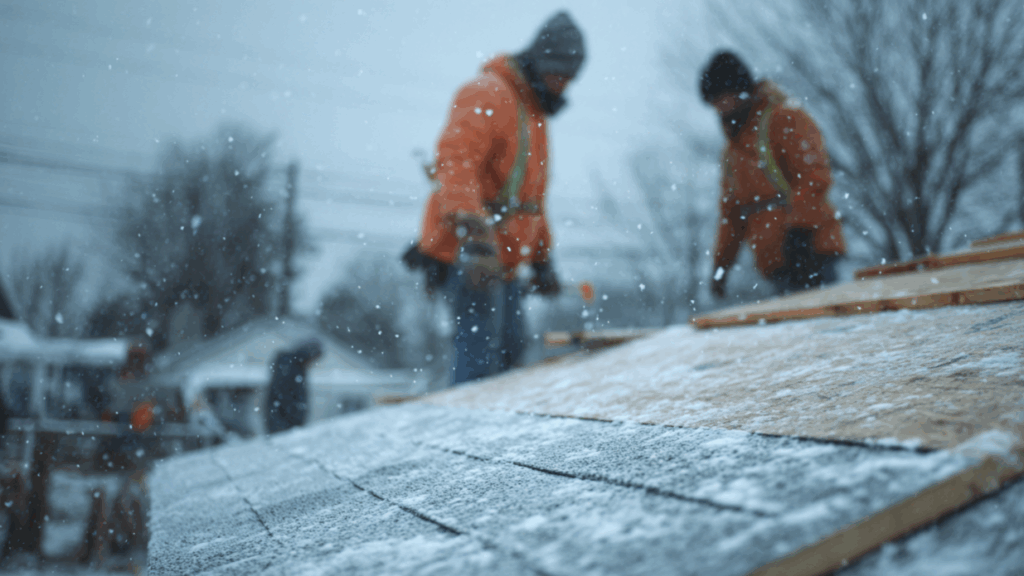
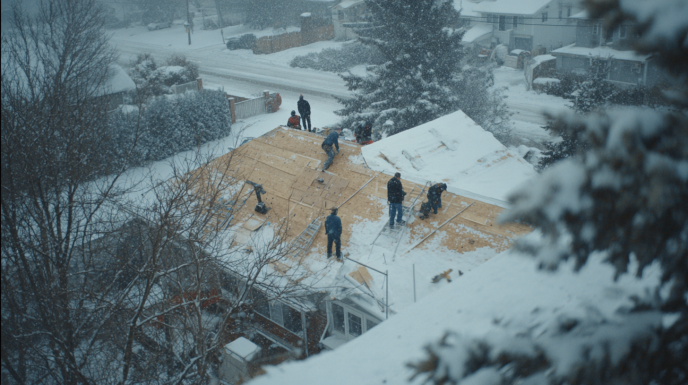
Winter roofing isn’t about pushing through bad weather. It’s about working smart around temperature, moisture, wind, and daylight. Experienced crews track forecasts closely and schedule work during safe, dry windows, often mid-day when temperatures are highest.
Colorado’s winter weather varies by location. Grand Junction and Fruita often see dry, workable winter days, while areas like Montrose, Delta, and Parachute may experience colder mornings or snow. A local contractor understands these differences and plans accordingly.
Cold temperatures do affect roofing materials. Asphalt shingles become stiffer and take longer to seal, but that doesn’t mean they fail. It simply means additional steps are required to ensure long-term performance. When done correctly, winter-installed roofs perform just as well as those installed in warmer months.
The bottom line: roof replacement in Colorado during January is absolutely possible, when the process respects winter conditions instead of fighting them.
When Replacing a Roof in January Makes Sense
There are many situations where waiting for spring creates more risk than reward.
Active Leaks Or Interior Water Damage
If water is already getting inside, winter doesn’t pause the damage. Moisture can soak insulation, stain drywall, and lead to mold, problems that often cost far more than timely replacement.
Wind Or Storm Damage
Southern Colorado regularly sees winter wind events that lift shingles or expose underlayment. In these cases, can you replace the roof in winter becomes less of a question and more of a necessity.
Insurance Claim Timelines
Many insurance policies include deadlines for completing repairs or replacements. Waiting until spring can risk missed reimbursements or delayed claim closures.
Ice And Ventilation Concerns
January replacement allows contractors to address ventilation, underlayment, and ice-barrier details before heavier snow sets in, helping reduce ice dam risk later in the season.
Real Estate Or Refinancing Deadlines
Home sales and refinances don’t slow down for winter. Many lenders require a roof with years of life left before approval.
In these scenarios, winter roof replacement isn’t risky; it’s protective.
When Waiting Until Spring Might Be the Better Call
Even though a roof can be replaced in the winter is often yes, there are times when waiting makes sense:
- Cosmetic upgrades only: If your roof is aging but still performing well, spring conditions may allow easier installation.
- Highly complex roof designs: Roofs with many valleys, dormers, or specialty shingles often benefit from warmer temperatures.
- Extended sub-zero weather: If safe work windows are rare, waiting can be the smarter option.
A contractor you can trust will tell you honestly when waiting protects your home better than pushing ahead.
What to Consider Before Scheduling a January Roof Replacement
Before committing to winter work, it helps to look at a few key factors.
- Roof condition: Is the roof actively failing, or simply aging?
- Local weather patterns: Does your area typically see dry winter stretches?
- Roofing materials: Some systems adapt better to cold-weather installation.
- Timing pressures: Are insurance, safety, or real-estate deadlines involved?
- Contractor experience: Winter roofing requires planning and discipline.
At Bros Roofing, we walk through these questions with homeowners so decisions are based on real conditions, not assumptions.
How Common Roofing Systems Perform in Winter
Asphalt Shingles
Most homes use asphalt shingles. In winter, these often require hand-sealing because adhesive strips activate more slowly in cold temperatures. Proper storage and careful handling prevent cracking and ensure durability.
Metal Roofing
Metal roofing performs very well in winter because it relies on mechanical fastening rather than adhesive bonding. Thermal movement must be accounted for, but cold temperatures don’t limit installation the same way.
Underlayment and Ice Barriers
Winter replacement is an excellent time to install or upgrade ice and water shield at eaves and valleys, a critical detail for Colorado homes facing freeze-thaw cycles.
What the Winter Roofing Process Looks Like
A common concern is leaving the home exposed. A professional winter process avoids that.
- Work is scheduled during safe, dry weather windows
- Tear-off and dry-in are completed the same day whenever possible
- Roofs are left watertight at the end of each workday
- Extra care is given to flashing, edges, and penetrations
Projects may take a bit longer due to daylight and weather pauses, but quality and safety always come first.
Safety and Code Considerations in Southern Colorado
Winter roofing requires strict safety practices. Crews manage slick surfaces, cold stress, and wind exposure while following OSHA guidelines and local building codes.
Many areas require ice-barrier membranes along eaves in snow-prone regions. Winter replacement allows these details to be installed carefully and documented properly.
Reducing Ice Dam Risk During Winter Replacement
One benefit of January roof replacement is addressing ice-dam causes early.
- Ventilation: Balanced airflow keeps attic temperatures stable
- Insulation: Proper insulation prevents heat loss that melts roof snow
- Ice barriers: Self-adhered membranes protect vulnerable edges
These improvements help protect your home long after winter ends.
Quick Check: Is Winter Roof Replacement Right for You?
Ask yourself a few honest questions:
- Is water getting inside the home right now?
- Has wind or snow damaged shingles or flashing?
- Are insurance or real estate deadlines involved?
- Would waiting increase the risk of interior damage?
If yes, roof replacement in Colorado winters may be the safer option.